
From Super Bowl to Summer: Sports Tourism is Here to Stay
Sports tourism is no longer a niche. Super Bowl LX just proved it again in 2026, and the trend is not going away.
Super Bowl travel is bigger than the game
Super Bowl travel packages, game tickets + hotel bundles, and VIP Super Bowl experiences are selling out faster every year. The NFL’s official hospitality partner reported a 17% jump in Super Bowl hospitality packages sold this season and a 19% increase in revenue compared with last year’s championship. Fans are not just booking a seat in the stadium. They want pre‑game parties, concerts, celebrity events, and time to explore the host city.
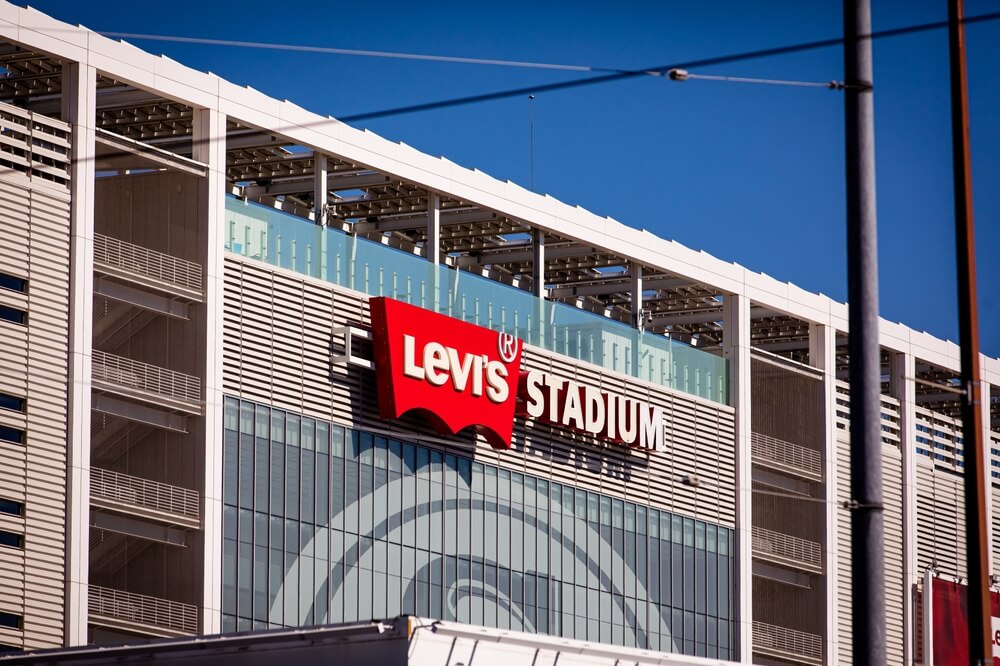
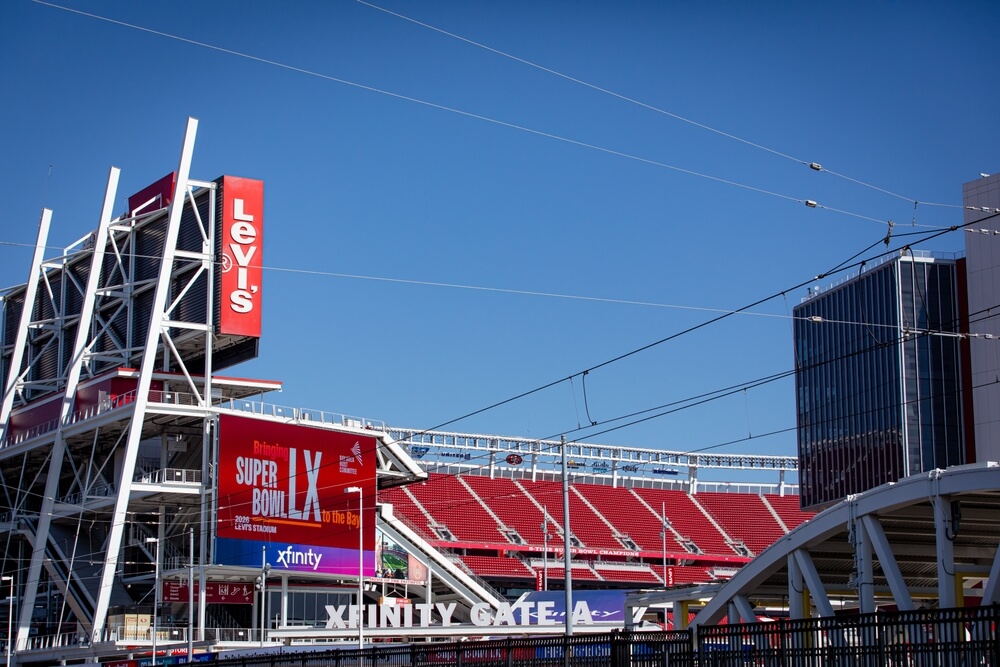
For Super Bowl LX in the San Francisco Bay Area, the local host committee and tourism boards expected hundreds of millions of dollars in economic impact. Recent reports say the region is on track for up to 630 million in local economic output, nearly 100,000 room nights, and hotel occupancy close to 90%. Some businesses reported doing more sales in four Super Bowl days than in three normal weeks.
Search data backs up the buzz. Super Bowl travel, Super Bowl packages 2026, and Super Bowl tickets and hotel deals are trending in Google and across social media, not only in the US but also in markets like the UK, Mexico, Brazil and Germany. The game has become a global event, and the host city turns into a short‑term festival zone.
Why fans are travelling more for live sports
There are three simple reasons sports tourism is booming.
1. Experience beats “just watching”
Many fans now save for one “bucket list” event trip instead of several smaller weekends away. They want to say “I was at Super Bowl LX,” not “I saw it on TV.” Instagram and TikTok add extra pressure to be there in person.
2. Travel and sports are blending
Super Bowl travel packages now include city tours, food experiences, and even vineyard or coastal day trips around the Bay Area. Visitors fly in on Thursday, join fan events Friday and Saturday, watch the game on Sunday, and stay Monday to explore. A four‑ or five‑night stay is becoming normal, not the exception.
3. Mega‑event calendar is full
2026 is huge for sports: Super Bowl LX, the Milano Cortina Winter Olympics, and the build‑up to the 2026 FIFA World Cup all sit close together. Hospitality providers call this the biggest year ever for sports travel, and they are designing products for that reality—premium fan zones, high‑end sports hospitality suites, and curated city experiences around every match.
What this means for destinations
For host cities like Santa Clara, San Francisco and the wider Bay Area, Super Bowl tourism is a strong early‑year boost. Hotels, restaurants, bars, tour operators, and even neighbourhood cafés feel the impact. The U.S. Chamber and local tourism boards point out that the largest gains come from out‑of‑state and international visitors, who stay longer and spend more on local businesses.
But there is a second layer that matters just as much: the side trips. Many Super Bowl visitors are combining the game with California road trips, wine country escapes, or extra days in places like Napa, Monterey or Yosemite. The Super Bowl becomes the anchor, but the rest of the itinerary is classic leisure travel.
Looking ahead, the same pattern will appear around Milano‑Cortina 2026 and future Super Bowls. Big events draw people in, but cities and regions win or lose based on what those visitors can do on the days without a ticket.
How travellers can get more from sports trips
If you’re planning a future Super Bowl trip, or any sports tourism travel, a few simple moves make the experience better:
- Arrive at least one day before the game and leave one day after. That gives you time to enjoy fan festivals and still explore the city.
- Look for Super Bowl hotel packages that include local tours or experiences, not just a room and a shuttle.
- Use self‑guided city tours and audio guides to fill in gaps between events. You can explore at your own pace, then jump back into the fan zone when you want.
This is where apps like Wingman come in. Super Bowl visitors want flexible, on‑demand storytelling, not fixed‑time group tours. With self‑guided audio routes, they can spend the morning learning the history of the Bay Area waterfront, the afternoon in fan events, and the evening in neighbourhood bars recommended in the app—no schedule stress, no following a flag.
From Super Bowl to summer
Sports tourism is no longer just a spike on the calendar. Super Bowl LX shows that live sports now act like a travel engine for entire regions. Fans fly in for one game, then stay for wine, coastlines, city walks and food. They are already searching for Super Bowl 2027 travel packages and 2028 Olympic tickets, treating sport as the starting point for their next big trip.
If you work in travel, this is the signal: build products that connect major events with real city experiences. If you’re a traveller, it’s your excuse to turn “just watching the Super Bowl” into a full holiday—with a seat in the stadium, a full camera roll, and a better story than “we watched it on the couch.”