
Free tour Guide to Plymouth
Get ready! Our free tour guide takes you beyond Plymouth's amazing views
Walk past colonial-era clapboard houses and rocky harbor shores, through the streets where America began, to quiet neighborhoods away from the crowded waterfront attractions. Find a town where American history lives beside ocean views, where centuries of maritime heritage shaped one of Massachusetts’ most appealing places, growing carefully while respecting its Pilgrim, colonial, and seafaring past.
Feel the pull of Plymouth as salt air drifts across the harbor waters under wide Atlantic skies stretching over Massachusetts Bay. Wander historic lanes where 17th-century homes, colonial meetinghouses, and weathered wharves create something special between working docks and coastal bluffs.
Walking through waterfront districts and harbor paths, you’ll spot the deep marks of time that turned this small settlement into America’s hometown, giving you views of early American life you won’t see anywhere else. Your time in Plymouth blends Pilgrim origins, maritime tradition, and rugged coastal beauty into a visit that makes four centuries of American beginnings real.
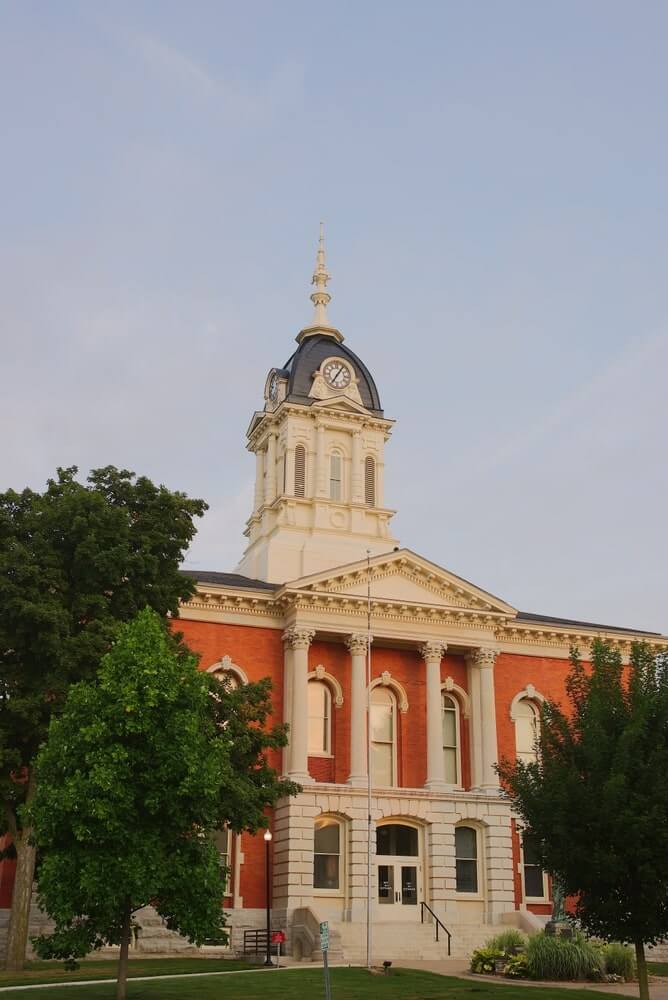
FROM PLYMOUTH ROCK TO LIVING HISTORY MUSEUM
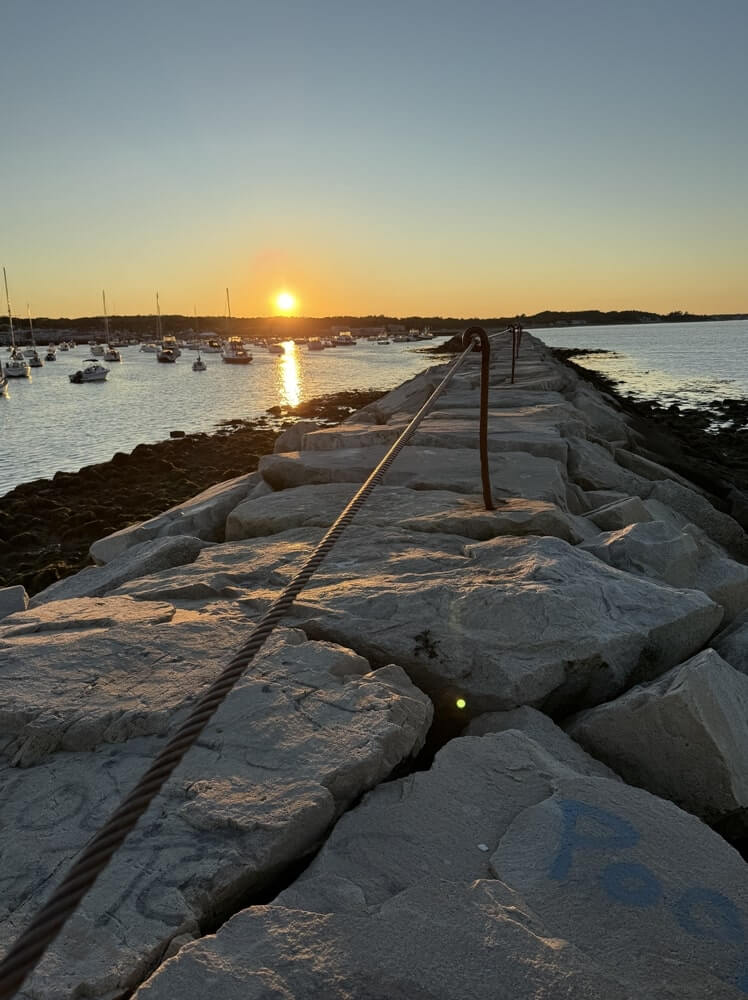
Plymouth's Best Kept Secret
Take the narrow side street through Plymouth's tucked-away Burial Hill neighborhood as morning light hits the old gravestones, and you'll discover a less-visited area near the harbor district featuring some of the best preserved colonial architecture in New England. The view opens up as you pass historic churches and carefully maintained sea captains' houses showing an authentic slice of early American coastal town life.
Top wingman tour in Plymouth
Unlike many historic towns overtaken by souvenir shops and tour bus crowds, Plymouth tells a rare story of American beginnings and coastal New England character from its Pilgrim settlement roots and centuries of seafaring tradition.
Discover more with our tours!

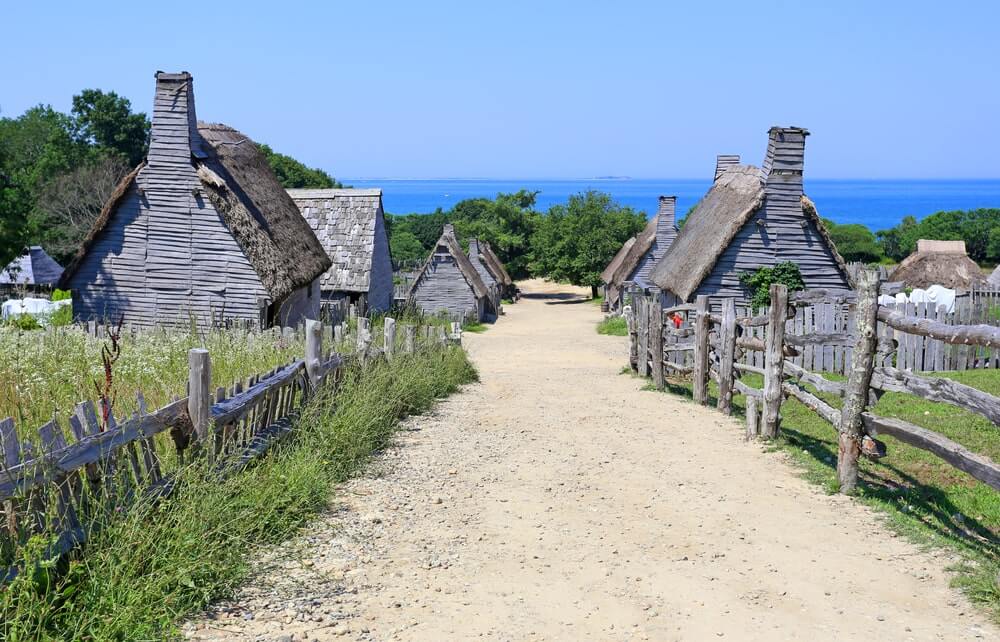
Harbor Views & History's Roots
This tour offers a chance to explore the natural beauty and early roots of Plymouth beyond its well-known colonial landmarks. You will follow the path of fresh water that first drew settlers here, tracing a brook that winds through gardens and quietly flows past a working grist mill, a reminder of early industry. You’ll visit a place where history and nature meet—a vineyard and gourmet market blending past and present flavors. The route continues through public gardens honoring early residents and winds down one of the oldest streets where settlers first walked. Finally, the journey reaches a jetty with open views across the bay, connecting all these pieces of Plymouth’s story—from its earliest days to the life it holds now.
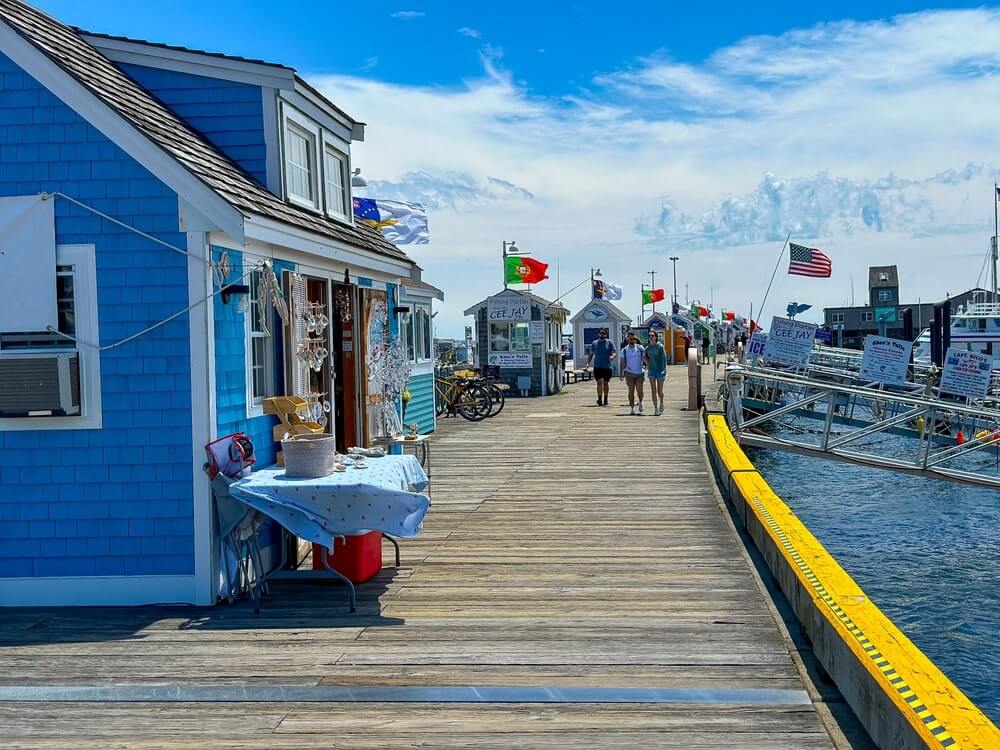
House by House, Stone by Stone
This tour will take you back over 400 years to meet a group of English settlers known as the Pilgrims. They left their homes seeking freedom to practice their religion without interference. Crossing the Atlantic aboard a small merchant ship, they arrived in a strange land just as winter approached. The months that followed tested their endurance as they faced cold, hunger, and illness. Yet, through agreement and faith, they began to build a community founded on cooperation and shared values. Along the way, you’ll explore the places that hold the stories of their sacrifice, hope, and determination—places where ideals became a reality in stone, wood, and sail.
Exclusive Offer
UNLOCK YOUR NEXT ADVENTURE
Transform every street into an amazing story! With an ever growing list of 1000+ audio tours across 120+ cities, you'll discover hidden treasures that guidebooks rarely mention.
hidden gems of Plymouth
Discover Plymouth Like a Local with Wingman.
Navigate the city’s hidden gems with our GPS-guided audio tours, taking you beyond the tourist spots to authentic local experiences.

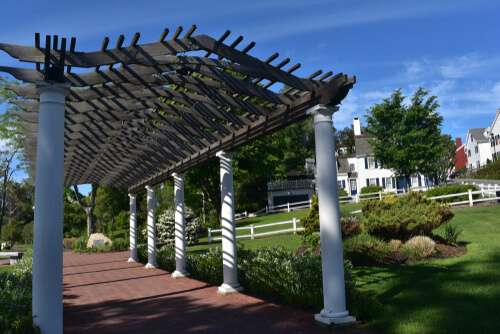
The Jenney Grist Mill Gardens
Behind the working grist mill on Spring Lane, a narrow path leads to restored 17th-century kitchen gardens containing heirloom vegetables the Pilgrims actually grew, featuring original colonial planting methods, rare heritage seed varieties, and weathered split-rail fences where early settlers learned agriculture from the Wampanoag. Most visitors watch the mill wheel turn and leave, never finding these authentic gardens that show the botanical survival skills that kept Plymouth Colony alive.
Local Guide Tip: Stop by on Thursday mornings when the miller talks about how specific plants helped colonists survive their first winters and which crops came from native teaching.
Coordinates: 41.9584° N, 70.6673° W
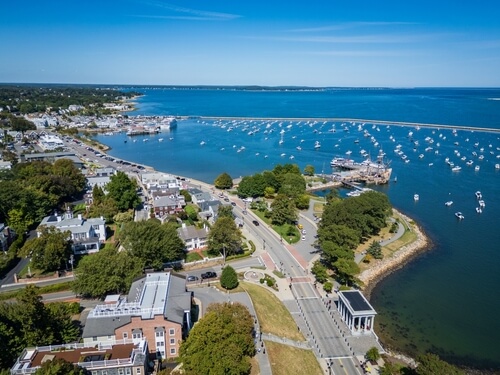
The Harbormaster's Walk at Duxbury Beach
Past the main beach parking area at the southern end, a sandy trail winds through dune grass to a sheltered cove where colonial fishing boats once anchored, offering views of Plymouth Harbor’s original shipping lanes, undisturbed tide pools, and a small granite marker commemorating forgotten maritime routes. Beach crowds stay near the bathhouse, missing this quiet stretch that reveals why early sailors chose this exact harbor.
Local Guide Tip: Go at low tide on weekday afternoons when you can walk the exposed sandbar and see the same harbor approach Mayflower passengers first spotted in 1620.
Coordinates: 42.0421° N, 70.6456° W
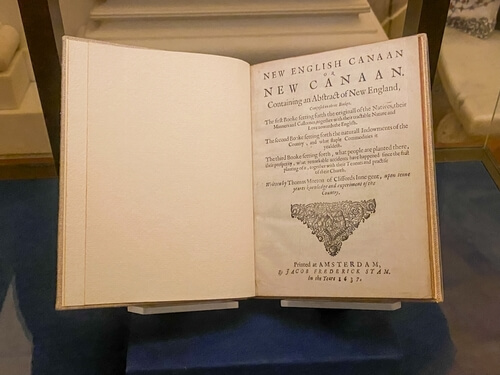
The Brewster Ladies Library Reading Room
Up the back stairs of the 1852 library building on Main Street Extension, a small reading room preserves original ship captain’s journals, handwritten account books, and personal letters from whaling families, tucked in glass cases most patrons walk right past on their way to the computer stations. The town library serves modern needs downstairs while this room keeps Plymouth’s maritime memory intact.
Local Guide Tip: Ask the reference librarian on Tuesday or Friday about viewing the restricted collection of sailor’s logbooks that document actual whaling voyages from Plymouth Harbor.
Coordinates: 41.9582° N, 70.6676° W
upgrade travel to joy
At Wingman, we’re passionate about transforming your travel experiences from typical to tremendous.
Each city is a new chapter in your adventure book, filled with unique cultures, sights, and sounds for you.
Why stop at one? Explore our global network of destinations, from the romantic streets of Paris to the vibrant landscapes of Bangkok.
Dive into diverse cultures with our expertly crafted tours designed to enlighten and entertain.
Exclusive Offer
SMART TRAVELER BONUS
Why pay €60 for a walking tour when you can get up to 5 audio adventures for FREE? Claim your 15 credits (worth €15) today and explore at your own pace.
Plymouth top sights with insider tips
1. Plimoth Patuxet Museums (formerly Plimoth Plantation)
Step into a living 17th-century English village and Wampanoag homesite where costumed historical interpreters speak in period dialect and demonstrate colonial survival skills. The recreated settlement sits on the actual area where Pilgrims built their first permanent structures.
Insider Tip: Arrive right when doors open at 9 AM before school groups flood the village, and head straight to the Wampanoag homesite where interpreters share native perspectives rarely covered in traditional Pilgrim narratives.
2. Mayflower II
Board this full-scale reproduction of the 1620 ship that carried 102 passengers across the Atlantic, docked at State Pier where you can explore cramped quarters and hear crew members explain navigation techniques used during the 66-day voyage.
Insider Tip: Chat with the interpreter stationed below deck near the cargo hold—they share stories about the two deaths and one birth during the crossing that most visitors never hear.
3. Plymouth Rock
View the iconic boulder marking where Pilgrims supposedly first stepped ashore, now protected under a granite portico at water’s edge. The 1620 date carved into the rock came much later, but the site remains America’s most visited symbol of colonial beginnings.
Insider Tip: Skip the midday crowds and visit at sunrise when you’ll have the monument to yourself and can actually read the interpretive panels explaining why historians doubt this exact landing spot.
4. Burial Hill
Climb the steep historic cemetery overlooking Plymouth Harbor where Governor William Bradford and other Mayflower passengers rest among weathered 17th-century slate headstones, offering the best harbor views in town.
Insider Tip: Look for the flat memorial stone near the top listing Mayflower passengers who died that first winter—it’s easy to miss but tells the brutal story tour guides gloss over.
5. National Monument to the Forefathers
Stand beneath America’s largest solid granite monument, an 81-foot statue dedicated to Pilgrim values, located off Allerton Street away from the waterfront tourist zone. Completed in 1889, the monument took 55 years to build.
Insider Tip: Walk around to the back panels where relief sculptures depict scenes from the Mayflower Compact signing and the first Thanksgiving—details invisible from the front that most visitors never see.
6. Jenney Museum and Grist Mill
Watch a working 17th-century grist mill grind corn using water power just as colonial settlers did, then tour the small museum explaining early Plymouth industrial history. The mill sits on Town Brook where Plymouth’s first grist mill operated in 1636.
Insider Tip: Buy a bag of stone-ground cornmeal milled that day—it tastes completely different from store-bought and the purchase supports mill maintenance.
7. Richard Sparrow House (1640)
Tour Plymouth’s oldest surviving wooden frame house, a dark timbered structure with original clay walls and massive fireplaces where potters now demonstrate colonial crafts. The house stood through King Philip’s War and the American Revolution.
Insider Tip: Run your hand along the back hallway’s exposed wattle-and-daub wall section—you’re touching the actual 1640s construction that somehow survived 385 years.
8. Hedge House Museum
Walk through this restored 1809 Federal-style mansion furnished with period antiques, showcasing how wealthy Plymouth merchant families lived during the town’s shipping prosperity. The house stayed in one family for generations.
Insider Tip: Ask to see the third-floor servants’ quarters during your tour—most guides skip them, but the cramped rooms tell a different story about early American class divisions.
9. Plymouth Harbor and Town Wharf
Stroll the working waterfront where fishing boats still unload daily catches beside whale-watching vessels and harbor cruise ships. Breakwater walkways offer views across Cape Cod Bay toward Provincetown.
Insider Tip: Stop at the harbormaster’s building around 3 PM when local fishing boats return—captains sometimes sell fresh catch right off the boat for half what restaurants charge.
10. Myles Standish State Forest
Explore 12,000 acres of pine forest, kettle ponds, and sandy trails just minutes from downtown Plymouth. The forest contains 16 kettle ponds formed by glacial activity and offers swimming, hiking, and camping away from coastal crowds.
Insider Tip: Hike the two-mile loop around College Pond starting from the Fearing Pond parking area—you’ll see beaver dams, pitcher plant bogs, and maybe spot a bald eagle without encountering another person.
What are you waiting for?
Join the Wingman Adventure Club!
TRAVEL LIKE A LOCAL, NOT A TOURIST
Never miss the good stuff! Join thousands of savvy travelers who explore confidently with their own pocket guide. No schedules, no groups, no rushing! Just pure discovery at your fingertips.
Create Your Tour with Wingman
Become a Tour Architect
Ever dreamed of crafting your own tour, showcasing your favorite spots or hidden gems? With Wingman, it’s not just a possibility—it’s your next venture! Our platform empowers locals and travel enthusiasts alike to build personalized tours, add unique landmarks, and even earn money with every purchase made.
Earn Profit with your Passion
Turn your local knowledge into a lucrative opportunity. Whether you’re guiding visitors through bustling city streets, serene parks, or to the doorstep of the obscurest eateries, your insights are valuable. Each tour purchase puts money right back in your pocket.
Join a Community of Creators
By joining Wingman, you’re not just building tours; you’re joining a community of creative and passionate tour architects from around the world. Share ideas, get inspired, and expand your reach as you bring your unique perspective to travelers eager for authentic experiences.
More cities, Regions &
audio guides to
discover
Europe
- Amsterdam, Netherlands
- Antibes, France
- Algarve, Portugal
- Andalusia, Spain
- Athens, Greece
- Basque Country, Spain
- Barcelona, Spain
- Belfast, Ireland
- Bern, Switzerland
- Berlin, Germany
- Bordeaux, France
- Brussels, Belgium
- Budapest, Hungary
- Cambridge, United Kingdom
- Cannes, France
- Carcassone, France
- Cinque Terre, Italy
- Colmar, France
- Cologne, Germany
- Copenhangen, Denmark
- Cornwall, United Kingdom
- Cyprus, Cyprus
- Dalmatia, Croatia
- Dijon, France
- Dortmund, Germany
- Dublin, Ireland
- Düsseldorf, Germany
- Edinburgh, United Kingdom
- Éze, France
- Florence, Italy
- Frankfurt, Germany
- Frejus, France
- Gdansk, Poland
- Gelsenkirchen, Germany
- Geneva, Switzerland
- Genoa, Italy
- Glasgow, United Kingdom
- Grasse, France
- Hamburg, Germany
- Helsinki, Finland
- Iceland
- Krakow, Poland
- Lake Como, Italy
- Leipzig, Germany
- Liverpool, United Kingdom
- Loire Valley, France
- Lisbon, Portugal
- London, United Kingdom
- Lucca, Italy
- Lyon, France
- Madrid, Spain
- Mallorca, Spain
- Malmö, Sweden
- Malta, Malta
- Marseille, France
- Menorca, Spain
- Milan, Italy
- Monaco, Monaco
- Mount Vesuvius, Italy
- Munich, Germany
- Normandy, France
- Nice, France
- Oslo, Norway
- Oxford, United Kingdom
- Paris, France
- Pisa, Italy
- Pompei, Italy
- Porto, Portugal
- Portofino, Italy
- Puglia, Italy
- Prague, Czech Republic
- Riga, Latvia
- Rome, Italy
- San Gimignano, Italy
- Santander, Spain
- Sicily, Italy
- Siena, Italy
- Strasbourg, France
- Stratford-upon-Avon, United Kingdom
- Stockholm, Sweden
- Stuttgart, Germany
- Tallinn, Estonia
- Toledo, Spain
- Toulouse, France
- Turin, Italy
- Venice, Italy
- Vienna, Austria
- Vilnius, Lithuania
- Warsaw, Poland
- York, United Kingdom