Slow travel guide to Central Europe: How to explore Prague, Budapest & Vienna like a seasoned travel veteran
Prague’s Charles Bridge pulls around 30,000 people a day in summer.
Go at 10am and you move shoulder to shoulder.
Phones raised. (with selfie sticks?!)
Groups shouting near raised colored umbrellas.
The bridge turns into a mass production conveyor belt, like a one you would see in a factory. (see below)
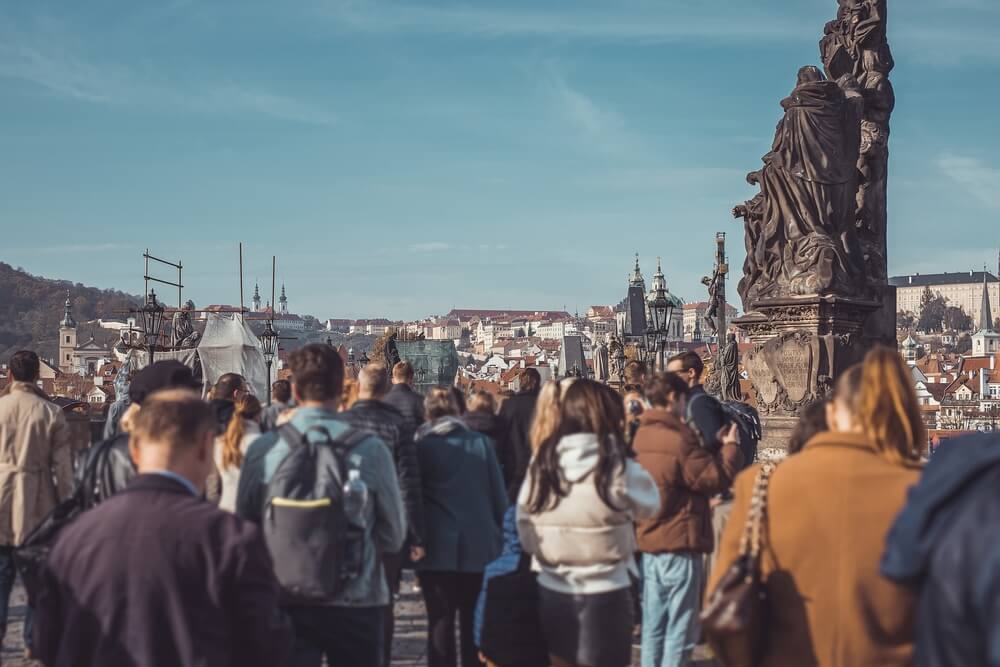
You shuffle through, take a photo, move on.
Walk it at 6 am and it becomes something else.
Light hits the statues at angles that you have not seen on Instagram reels before…
A woman in Vinohrady mentioned this detail over coffee the day before.
Not as advice. Just something she had noticed after years of living there.
That kind of everyday knowledge changes how you move through a city.
Central Europe works this way when you stop racing. Prague. Budapest. Vienna. They open up once you slow down.
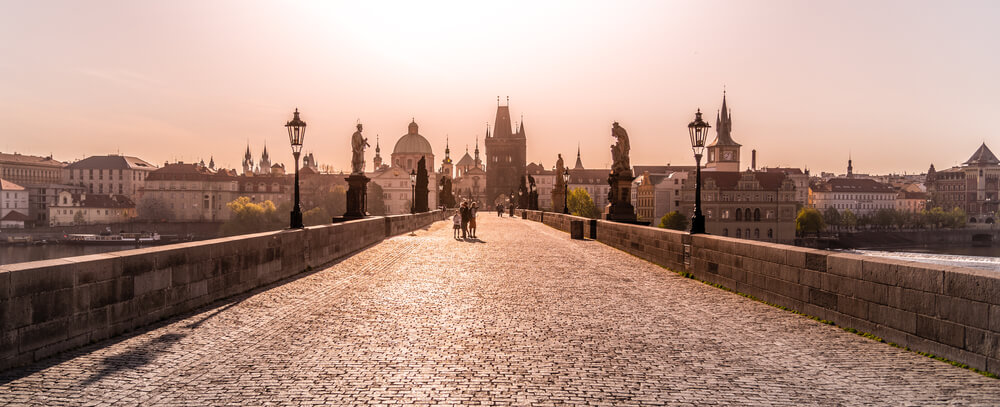
What could happen when you stop rushing
These three cities often get packed into 2-3 day routes. Each needs a different rhythm.
Prague rewards wandering through places nobody lists.
Budapest takes time, especially once you move past postcard bath photos.
Vienna asks you to sit. Coffee stretches for hours. Nobody checks the time.
Most trips compress everything into checkpoints and checklists. Sights get seen without being felt. The rhythm disappears.
Give yourself space and you start noticing daily habits.
Prague mornings do not start at the castle. They start in neighborhood cafés where staff remember regular orders.
Budapest does not live in aesthetic, perfect photos of Fisherman’s Bastion.
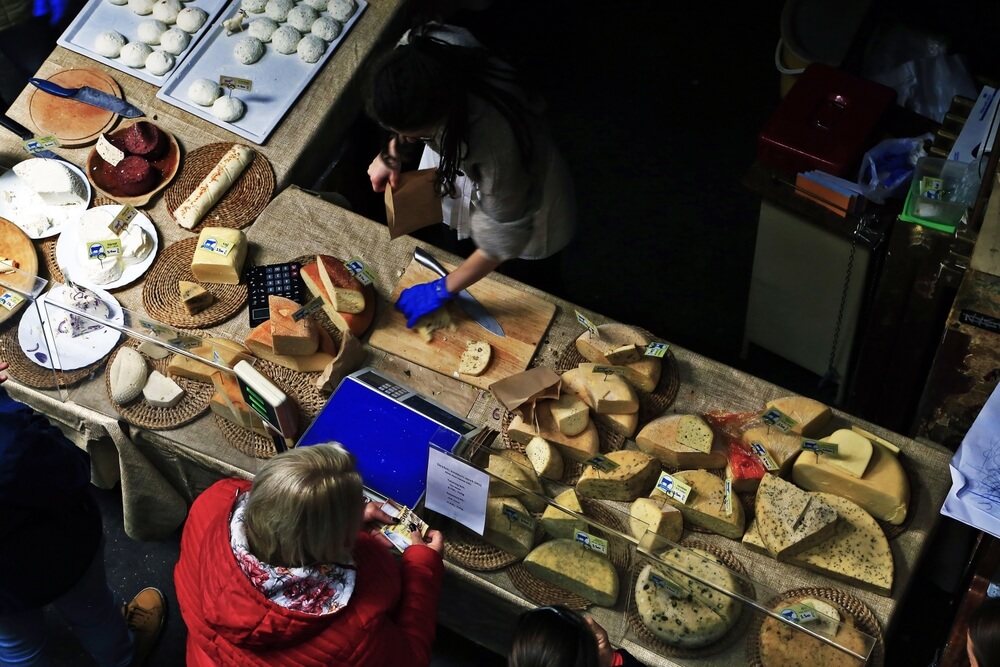
It shows itself in local markets in the morning when locals outnumber visitors.
Vienna only lands when you are not running after a tour guide. Buildings, squares, cafés all fall flat when you rush.

Slow travel guide to Prague (leave the crowds behind)
The medieval center holds less than half of what makes Prague worth staying in.
The rest lives where people actually spend their days.
Vinohrady works well for escaping crowds. Tram 22 runs through it. Cafés open early and close late.
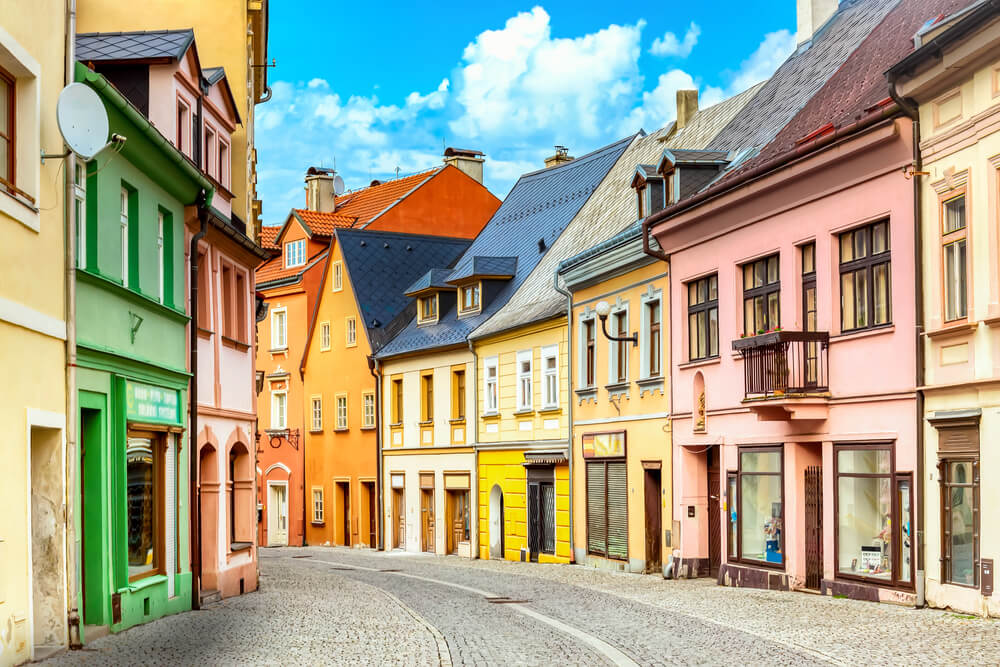
The street grid lets you wander without planning. Parks named after writers. Squares with markets.
Old pubs with dark wood and Czech menus.
Tour buses do not come here. Neither do souvenir shops or picture menus.
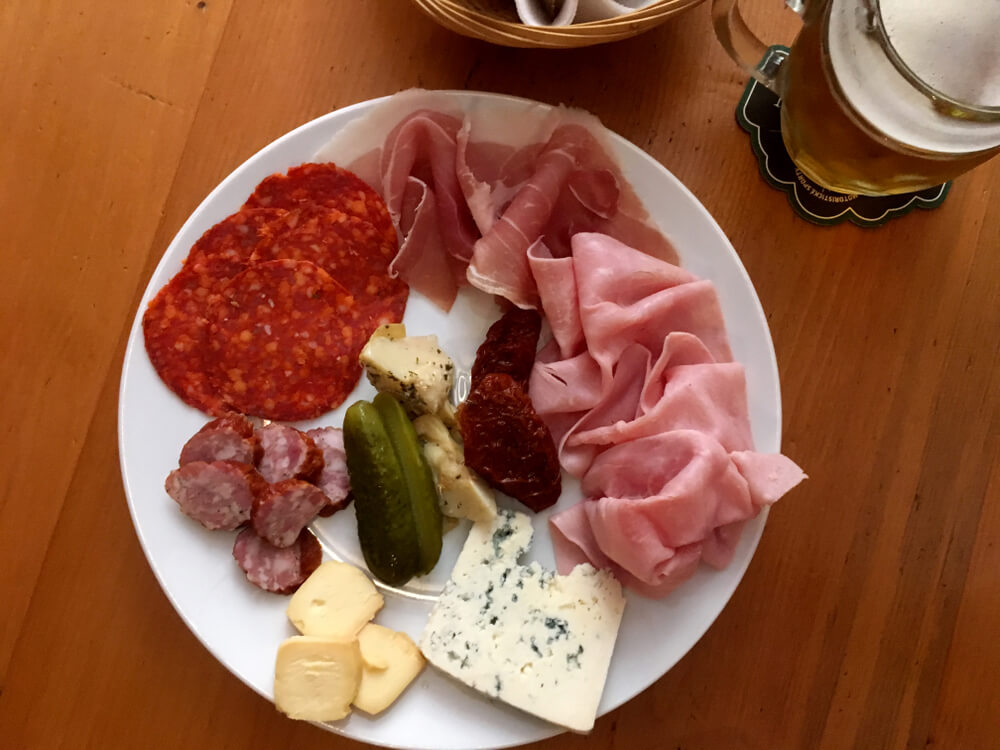
Coffee costs less. Beer costs less. Food is authentic.
Žižkov sits one stop further. Younger. Rougher.
Students and artists moved here because rent is lower. Street art covers walls. Bars serve cheaper, local specialities.
The TV tower looks strange enough to pull people in.
From the top, Prague spreads out as an actual city instead of a postcard.
Smíchov sits west of the river. Old factories turned into studios and restaurants.
Trams older than the tourism industry itself. People buy groceries. Walk dogs. Nothing performs for visitors.
That quiet normality shows how the city works.
These places are not secrets. They stay empty because most visitors follow marked paths they have seen on TikTok.
Swap the TikTok guides to Wingman routes and Prague changes.
Our self-guided audio tour helps here. Walking through Vinohrady feels pleasant on its own.
Hearing why streets exist, what buildings once held, how neighborhoods rebuilt after war adds meaning. You pause the audio. Sit on a bench. Think. You move when you feel like it.
Slow travel guide to Budapest and it’s thermal baths
Local, smaller thermal baths intimidate newcomers. The reality feels ordinary. No spectacle. Just routine.
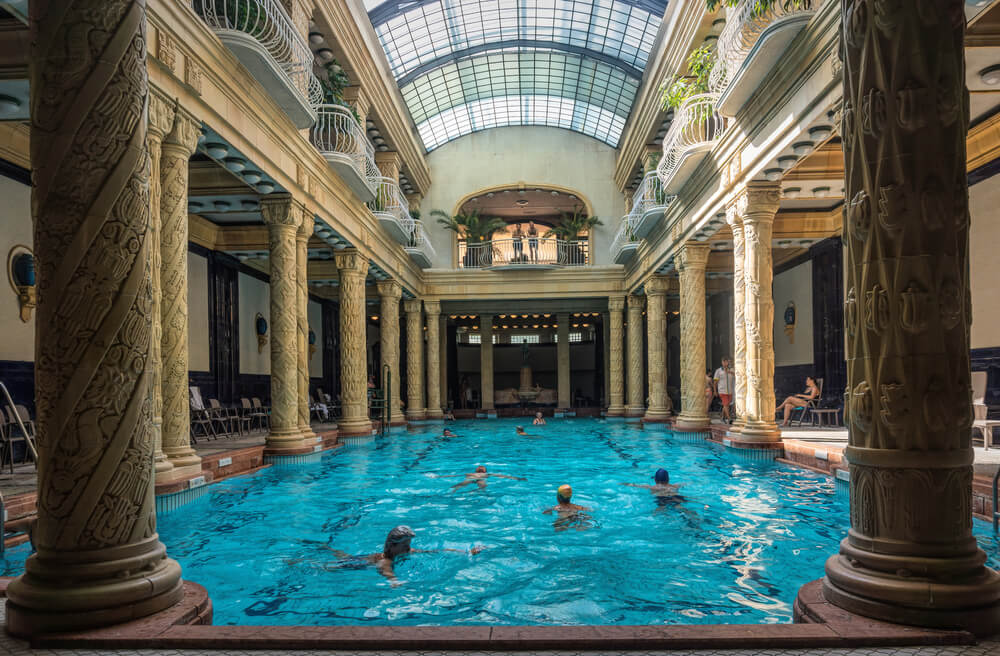
Széchenyi Baths attract crowds because they look impressive.
The photos earn their reputation. Go early on a weekday and the tone shifts.
Locals fill the pools. An older man reads a newspaper in the hottest water. They might even play chess if you are lucky.
Baths here function as shared spaces. Budapest sits on geothermal springs. Bathing belongs to daily life, not luxury travel.
Margaret Island baths feel quieter.
Fewer visitors. More regulars. The island itself becomes yours outside peak hours.
Walk. Sit. Stay longer than planned.
Time stretches in Budapest once you accept this rhythm.
Return to the same bath on different days. Watch how the crowd changes. Stop treating it as an experience to consume.
Walking neighborhoods reveal themselves the same way.
The lovely markets at Pest’s Jewish Quarter. (see pictured below)
Buda’s hills.
Crossing the Danube at different points shows how the city splits and reconnects.
Slow travel guide to Vienna and the special pace of coffee
Vienna resists speed. The city expects lingering.
Ringstrasse circles the old walls. Grand buildings line it. Rushing turns it dull.
Walk slowly, stop in parks, sit in cafés, notice why it was built this way.
Opera. Parliament. Museums. They matter.
Daily life happens in outer districts. Sixth, seventh, eighth. Families. Students. Older couples. Cafés improve.
Coffee here works as a social agreement. You order once and stay as long as you want. Nobody pushes the bill. Time gets marked by cups.
Markets tell the same story. Naschmarkt stays busy with locals buying produce and meat.
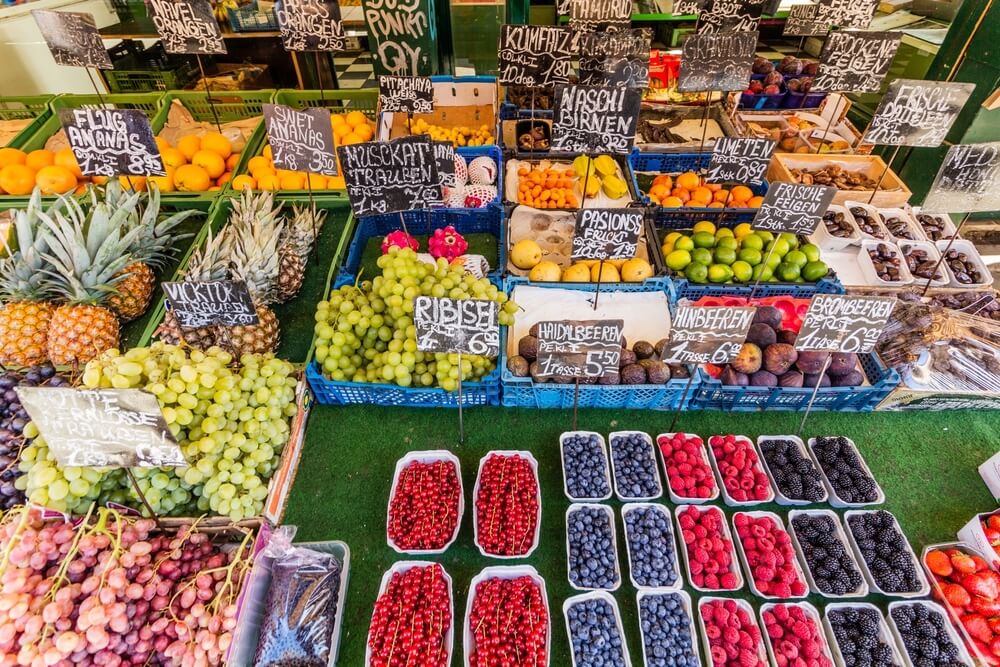
Tourists pass through, but it still functions.
Gardens follow this logic. Schönbrunn Palace draws crowds.
The surrounding gardens feel softer once you walk without a plan. Families picnic. Couples sit. Scale stays large. Atmosphere feels calm.
A self-guided walk fits Vienna. No rushing between museums. No fixed route. You sit with a newspaper you cannot read. You watch light shift across squares. You notice which streets smell like bread and which smell like beer.
Practical Notes
Trains connect Prague, Budapest, and Vienna easily.
Multiple departures daily. Prague to Budapest takes about six hours.
Budapest to Vienna takes three. Train travel shows countryside and gives space to move.
Public transport works everywhere. Trams, buses, metros. Weekly passes cost much less than taxis. You reach any neighborhood without effort.
Eat without reservations when possible. Walk in when hungry. Point at what someone else ordered. Meals improve. Conversations feel easier.
Stay longer than typical routes suggest. Five or six days across three cities lets patterns show up. Weather changes.
Places repeat. Rushing stops.
Slow wandering suits these cities. When technology supports that freedom instead of interrupting it, travel stops being proof and starts becoming memory.