
Travel Resolutions for 2026: Quality Over Quantity
Travel resolutions usually sound like bucket lists: more countries, more stamps, more weekends away.
By February, most of that fades. What actually sticks are the habits behind the trips.
I learned this in 2023 on a rushed Europe sprint: five cities in nine days.
I remember airport queues and rail platforms more than any square or museum.
I came home tired, with blurry photos and a credit card bill that felt ridiculous for how little I truly remember.
Since then, my travel “resolution” has stayed the same each year: fewer trips, better trips.
1. One anchor trip, not six rushed ones
Pick one main trip for 2026 that genuinely excites you and build the year around it.
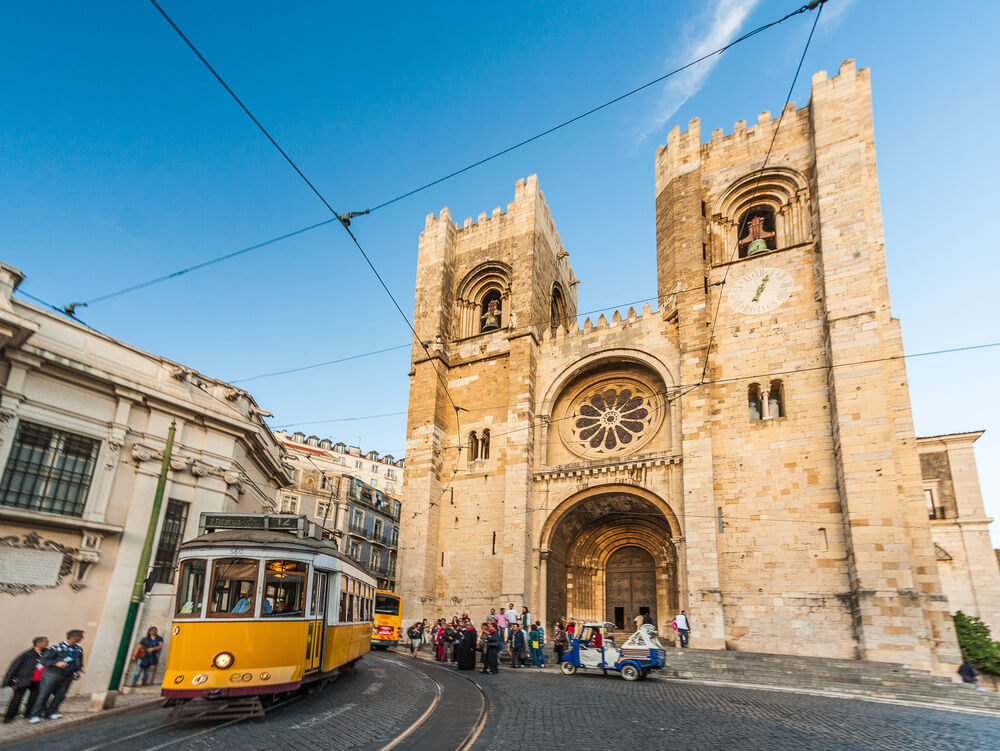
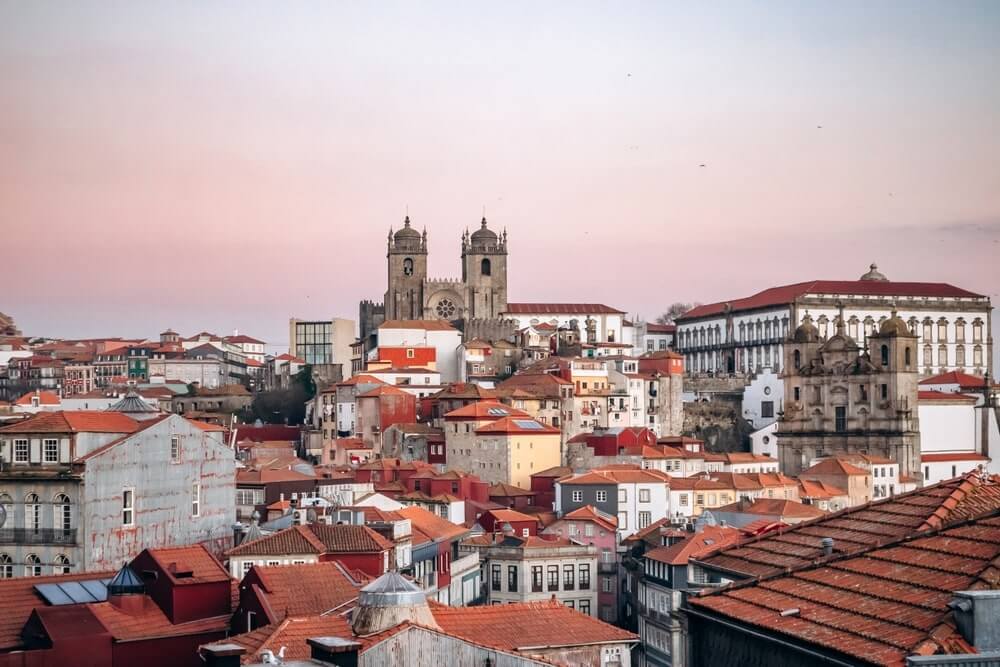
Mine last year was a week in Lisbon with zero internal flights.
I booked one apartment in Graça, walked almost everywhere, and used local trams instead of hopping country to country.
I still did a lot: a food tour, a day on the coast, slow mornings in cafés.
But there was no constant packing, no 4 a.m. alarms, no sprint through security.
Unexpected benefit: planning got easier. One destination, deeper research, better shortlists for restaurants and neighborhoods.
The spend per day looked higher than a cheap weekend somewhere random, but the cost per meaningful memory felt far lower.
2. Revisit one place on purpose
Repeat visits used to feel “wasteful” to me. New place, new stamp, right?
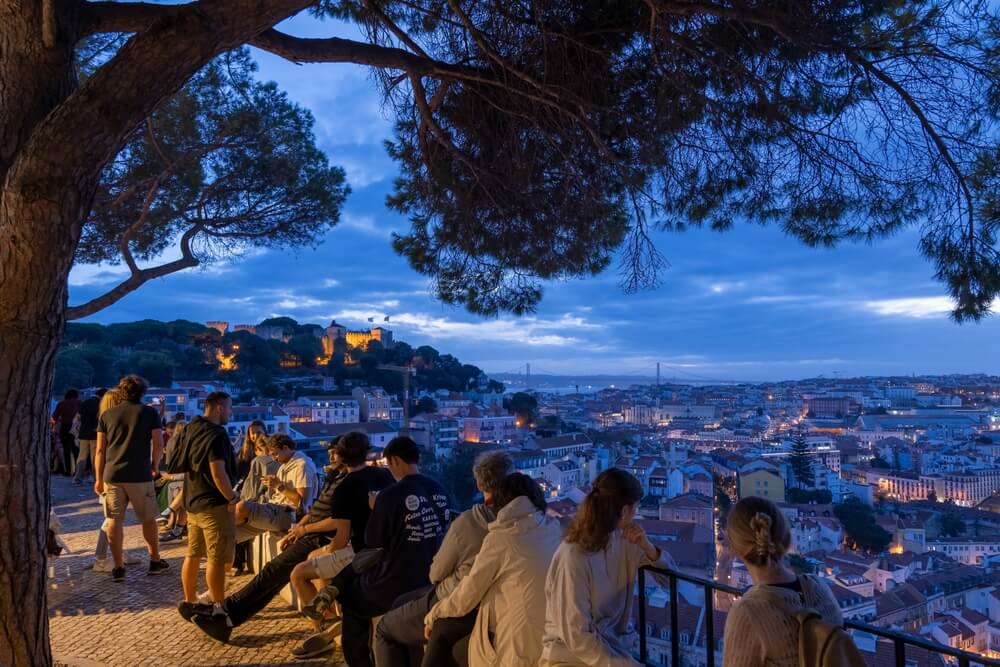
Then I went back to Budapest a second time and realized how different a city feels when you skip the must‑see list.
On that second visit I ignored most attractions. I stayed in a different neighborhood, worked from the same café three days in a row, talked to the barista about winter in the city, and ended up at a tiny wine bar on a Tuesday night chatting with locals about train routes and cheap regional trips.
Very little of that would have happened on a first‑timer’s checklist schedule.
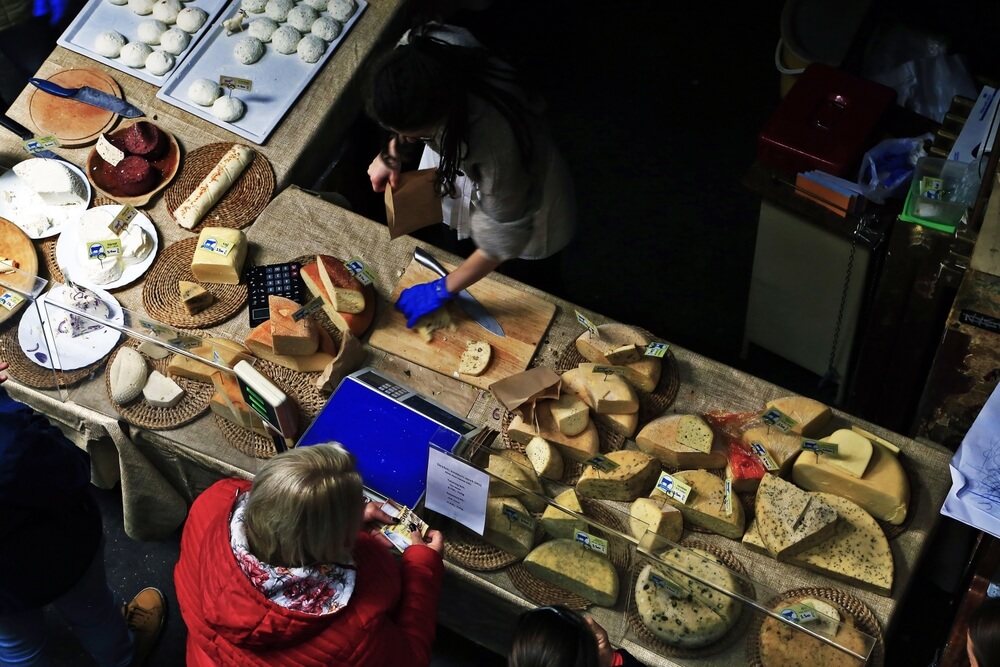
A 2026 resolution idea: choose one place you already know and return with a clear theme. Food. Walking. Local markets. Architecture. Language. One lens, deeper experience.
3. Plan fewer sights per day
My old rule was five things per day. Museum, viewpoint, café, “hidden gem,” sunset spot. Reality: rushed audio guides, quick photos, half‑finished meals.
Now I cap it at two planned stops. Morning anchor, afternoon anchor. Everything else stays flexible: getting lost in side streets, an unplanned coffee, a park bench break, or simply heading back to the hotel when energy drops.
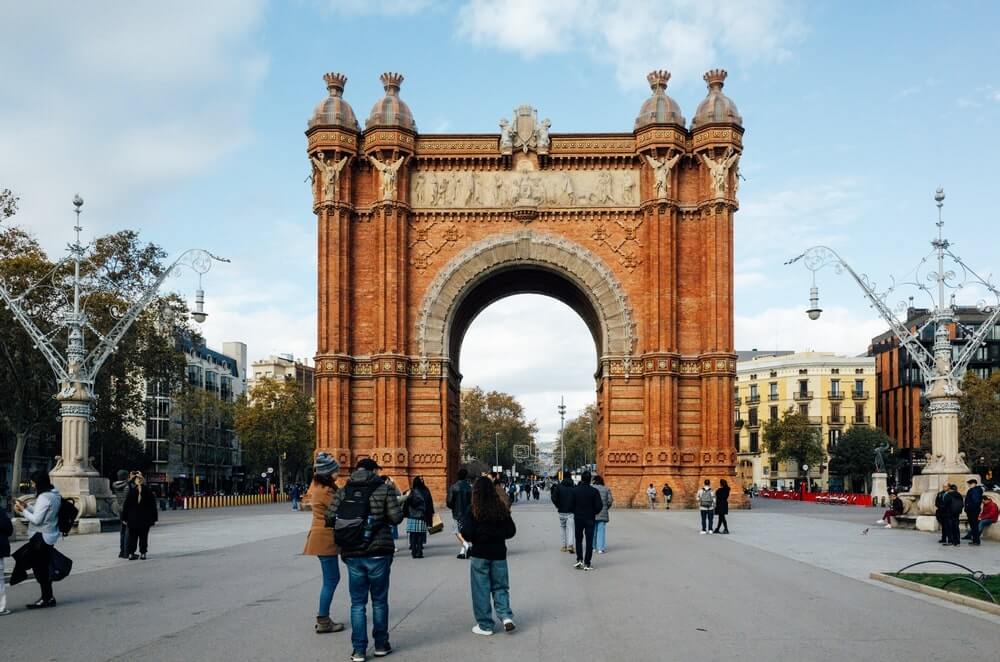
On a long weekend in Prague, that meant one morning at the castle area, one afternoon focused just on a single neighborhood across the river. I skipped entire “top 10” lists and still left feeling like I had actually met the city instead of just collecting it.
4. Swap souvenir shopping for one local habit
On a trip to Naples, I stopped buying magnets and t‑shirts. Instead, I picked one tiny habit and repeated it every day: a short espresso at the same standing bar before 9 a.m. By day three, the staff recognized me; by day five, they were recommending bakeries and quiet streets with better light for photos.
That routine cost the price of coffee and gave more connection than any tour could have. For 2026, pick a simple repeatable action per trip:
- Same bakery every morning.
- Same small bar for an early drink.
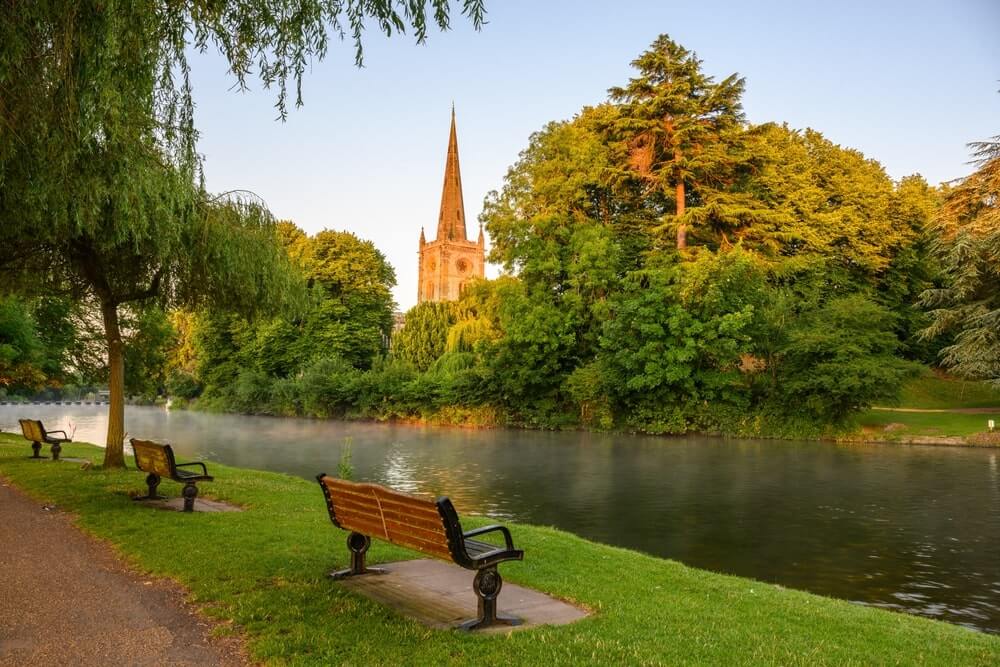
- Same park bench for a short walk or stretch.
Repetition in one place often reveals more about a city than a hundred new spots.

5. Trade FOMO photos for a short trip diary
On that chaotic nine‑day sprint, my camera roll hit thousands of shots. Most are forgettable. Now I travel with a rule: a handful of photos per day and a short note in my phone every night. Nothing polished—just three lines: where I went, who I spoke with, what surprised me.
Months later, the diary brings back tiny details: the bakery owner in Porto who insisted I try a different pastry, the bus driver in Sicily who pointed at a viewpoint with almost no tourists, the random street musician whose song is now on my playlist.
If you set a 2026 resolution around memories, not metrics, this one helps. Less scrolling through near‑duplicates, more specific moments you can replay.
6. Build rest days into longer trips
I fought this for years. Rest days felt like “wasted” time and money. Then I tried inserting one blank day into a two‑week trip: no bookings, no tickets, no pressure. I ended up doing laundry, catching up on messages, and sitting in a café for hours watching people walk dogs past a small square.
Strangely, that low‑key day is still one of the clearest memories from the trip. It reset my energy, and the days after felt sharper. If you plan anything over a week in 2026, drop in at least one day with nothing scheduled. Use it to adjust if the trip takes a different direction than expected.
7. Spend more on local expertise, less on transport
In my first years of frequent travel, flights ate a huge share of my budget. Cheap fares tempted me into constant hopping, but I often arrived late, tired, and too drained to actually enjoy the city.
Now I’d rather take fewer flights and spend that money on one good local‑led experience: an audio tour that suits my pace, a walking tour with a guide who lives in the neighborhood, a cooking session in someone’s home. Those are the things I still talk about later, not the fact that I managed to tap through another airport lounge.
When you plan 2026 trips, look at your budget split. Easing back on extra flights or long ride‑shares so you can afford something locally led often changes the whole feel of a trip.
8. Let loyalty come from fit, not points
I used to chase airline and hotel point systems. That often pushed me toward routes and stays that didn’t match the trip. Odd layovers, out‑of‑the‑way hotels, awkward check‑in times—just to earn credit.
Recently I shifted to a simpler rule: does this flight or stay support the type of trip I want—quiet, central, walkable, flexible check‑in? If yes, I book it, points or not. Some of my best nights now are in smaller, independent places where the staff actually have time to talk and share recommendations.
For 2026, this might mean mixing one points stay with a few smaller guesthouses or apartments that suit your style better, even if they don’t “optimize” anything on paper.
If you boil all of this down, “quality over quantity” in 2026 comes from a few practical shifts: commit to fewer trips, stay longer, cut the daily checklist, repeat places you like, and buy more depth with the time and money you already spend. The result is a calendar with fewer flight confirmations and a memory bank that feels much fuller.