
Skillcations, dusking, set-jetting: the three words reshaping travel in 2026
The three words reshaping travel in 2026: skillcations, dusking, set-jetting
Two-thirds of travelers now say they want to come home from a trip having learned or made something — not just having seen it. That single shift explains most of what’s happening to the 2026 holiday.
Every year the travel industry hands us a fresh batch of coined words, and most of them are marketing dressed up as insight. But three of this year’s terms are worth taking seriously, because each one points at the same underlying change rather than a passing mood. Travelers are quietly renegotiating what a good trip is supposed to give back.
The three words are skillcations (holidays built around learning to actually do something), dusking (going somewhere remote for the specific purpose of watching the light go), and set-jetting (visiting the real places where the period dramas you binge-watched were filmed). On the surface they have nothing in common. One is about effort, one is about stillness, one is about screens. Look closer and they’re three answers to the same complaint: standard sightseeing has stopped feeling like enough.
Here’s the honest reframe. None of these are new activities. People have taken cooking classes, chased sunsets and visited film locations for decades. What’s new is that travelers are now organising the entire trip around one of them, and treating the famous landmarks as optional. The itinerary has flipped. The thing that used to be the excuse — a cooking class squeezed between museums — has become the reason for going at all.
Skillcations: coming home able to do something you couldn’t before
A skillcation is a holiday where the point is to leave with a skill, not a souvenir. The format is simple: you pick a craft or discipline that a place is genuinely good at, and you spend a chunk of your trip learning it from people who do it for a living. The learning is the itinerary. Everything else fits around the class times.
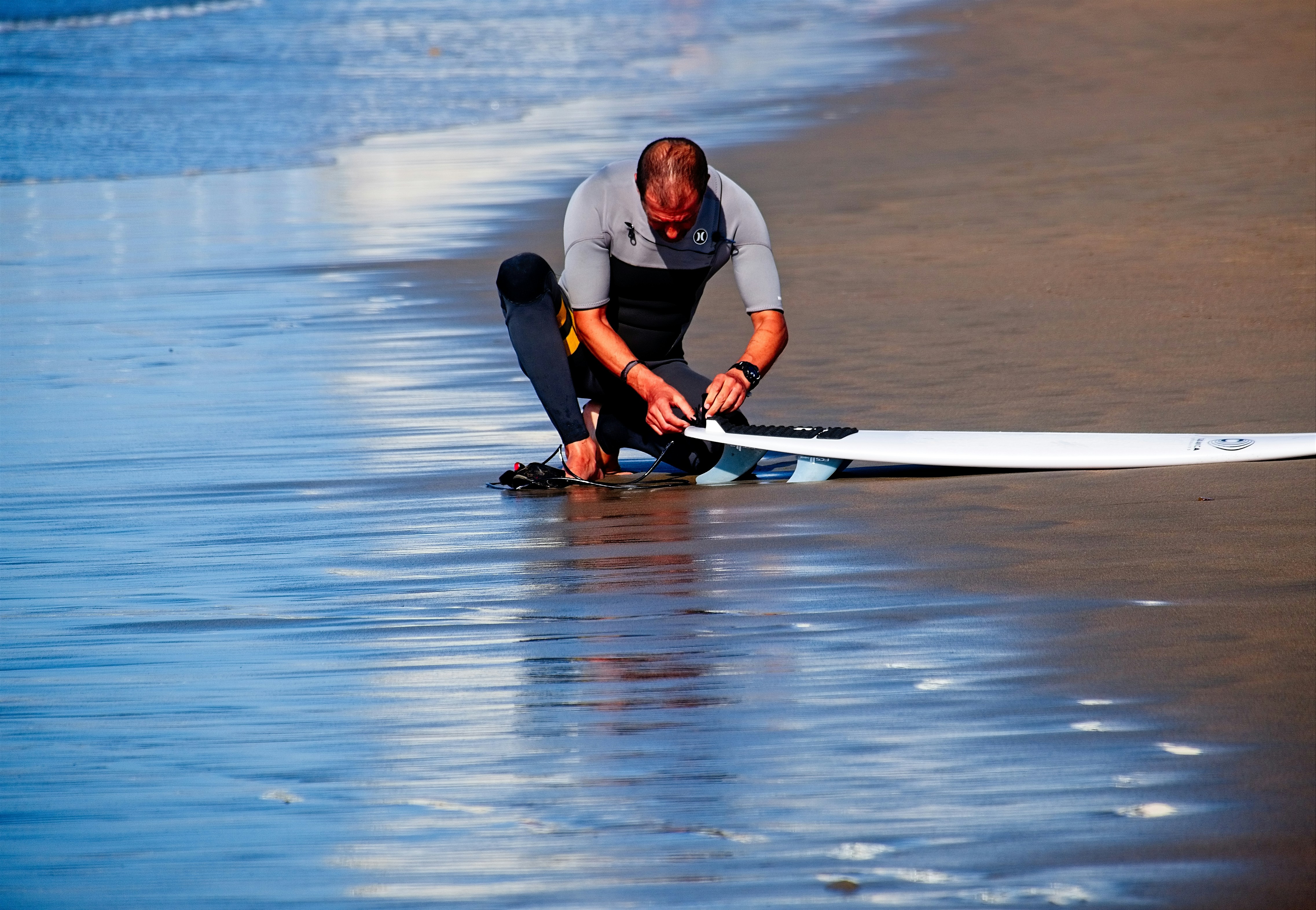
The examples that work best are the ones where the place and the skill are inseparable. Learning to surf in Ericeira, the Portuguese fishing town north of Lisbon that’s a World Surfing Reserve, means learning where the sets actually break rather than just standing in a wave pool. A week of group lessons at an Ericeira surf school typically runs somewhere around €300 to €450 including board and wetsuit hire, and most schools run daily two-hour sessions so you still have afternoons free.
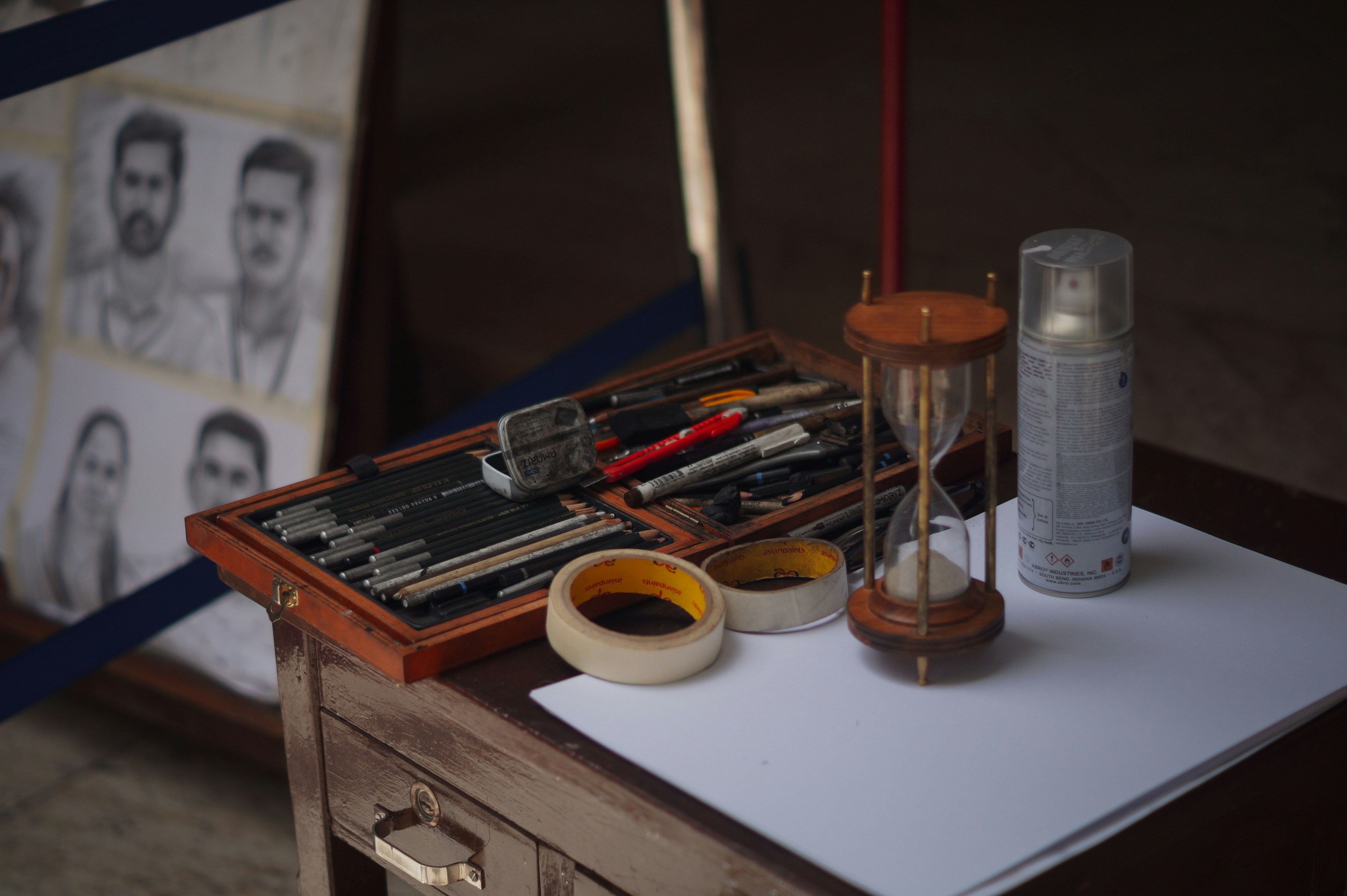
The pattern repeats across Europe. In Florence, ateliers and small art schools run portrait and figure-drawing workshops in the same city where the Renaissance worked out how a face is built — a two- or three-day intensive in charcoal and life drawing usually costs €150 to €280. In Lisbon, the workshops split two ways: hands-on pastel de nata baking classes for around €35 to €55 for a couple of hours, and half-day azulejo tile-painting sessions where you glaze and take home your own panel. Down in the Basque Country, San Sebastián has turned its pintxos culture into cooking classes where you learn the bar snacks first and the market shopping that feeds them second.
A World Surfing Reserve an hour from Lisbon. Week-long group courses run roughly €300–€450 with kit, daily two-hour sessions, consistent Atlantic beach breaks for beginners.
SurfingPortrait and life-drawing intensives in charcoal, two to three days for around €150–€280, taught in the city that codified how to draw a human face.
Drawing & paintingPastel de nata baking classes near €35–€55, or half-day azulejo tile-painting where you glaze and keep your own panel. Both fit inside a single free morning.
Pastry & tilePintxos cooking classes that start at the bar counter and end at the market stall — you learn the snack, then the shopping that supplies it.
CookingThe souvenir you can’t lose in an airport is the one you learned to make with your hands.
Dusking: going somewhere empty on purpose, for the last hour of light
Dusking is the quietest of the three, and in some ways the most telling. It means travelling to a remote, thinly populated place for the specific reason of watching the sun go down — not as the pretty end to a busy day of monuments, but as the entire plan. You drive out, you find the terrace or the ridge, and you wait for the light to change. That’s it.
It reads as a direct reaction to two things people are tired of. The first is over-tourism: dusking sends you to frontiers rather than plazas, to places where there’s no queue because there’s barely anyone else. The second is the tick-box exhaustion of modern sightseeing, where a city becomes a checklist of things you photographed and never actually looked at. Dusking has one item on the list and asks you to look at it for a full hour.
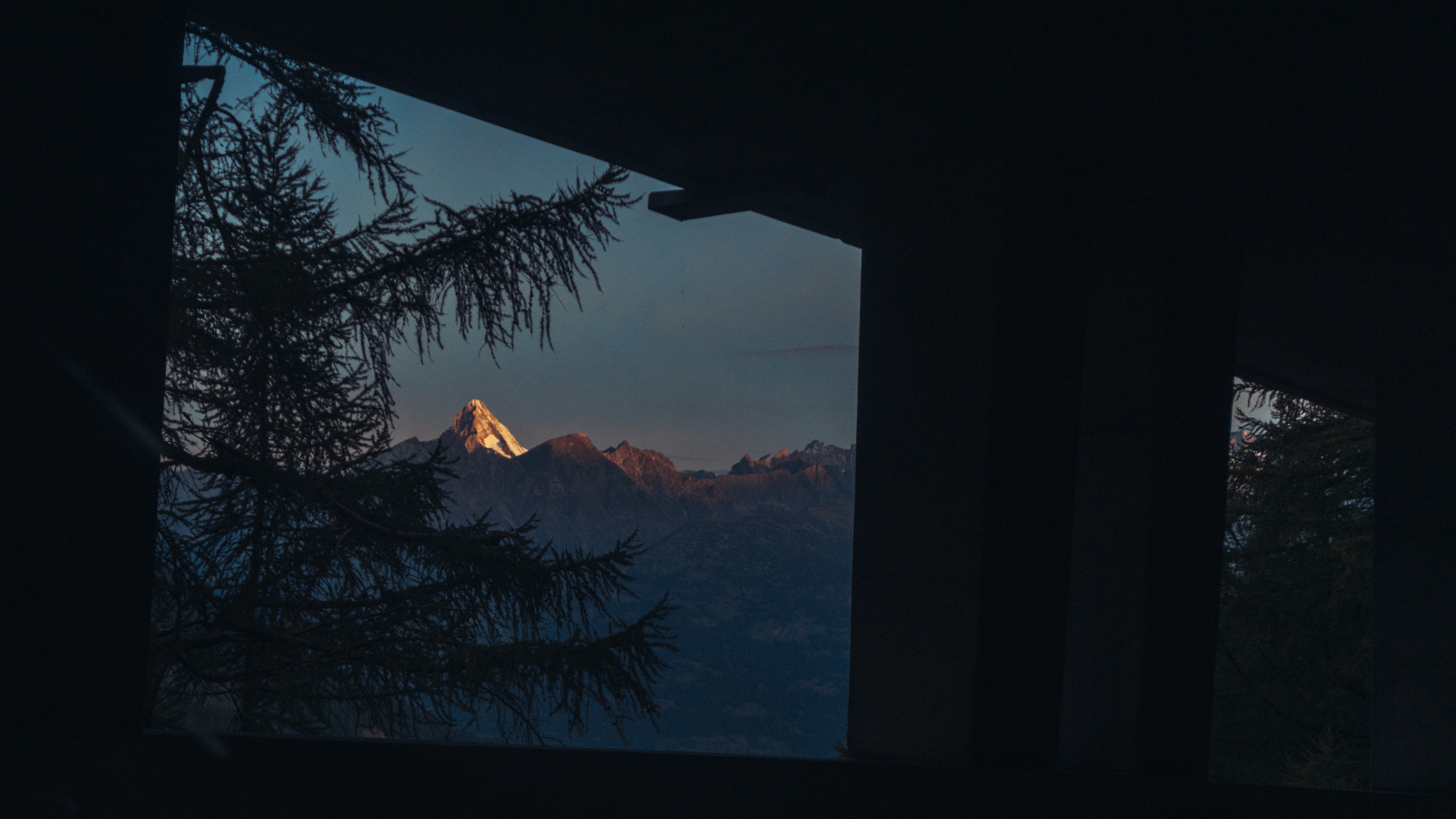
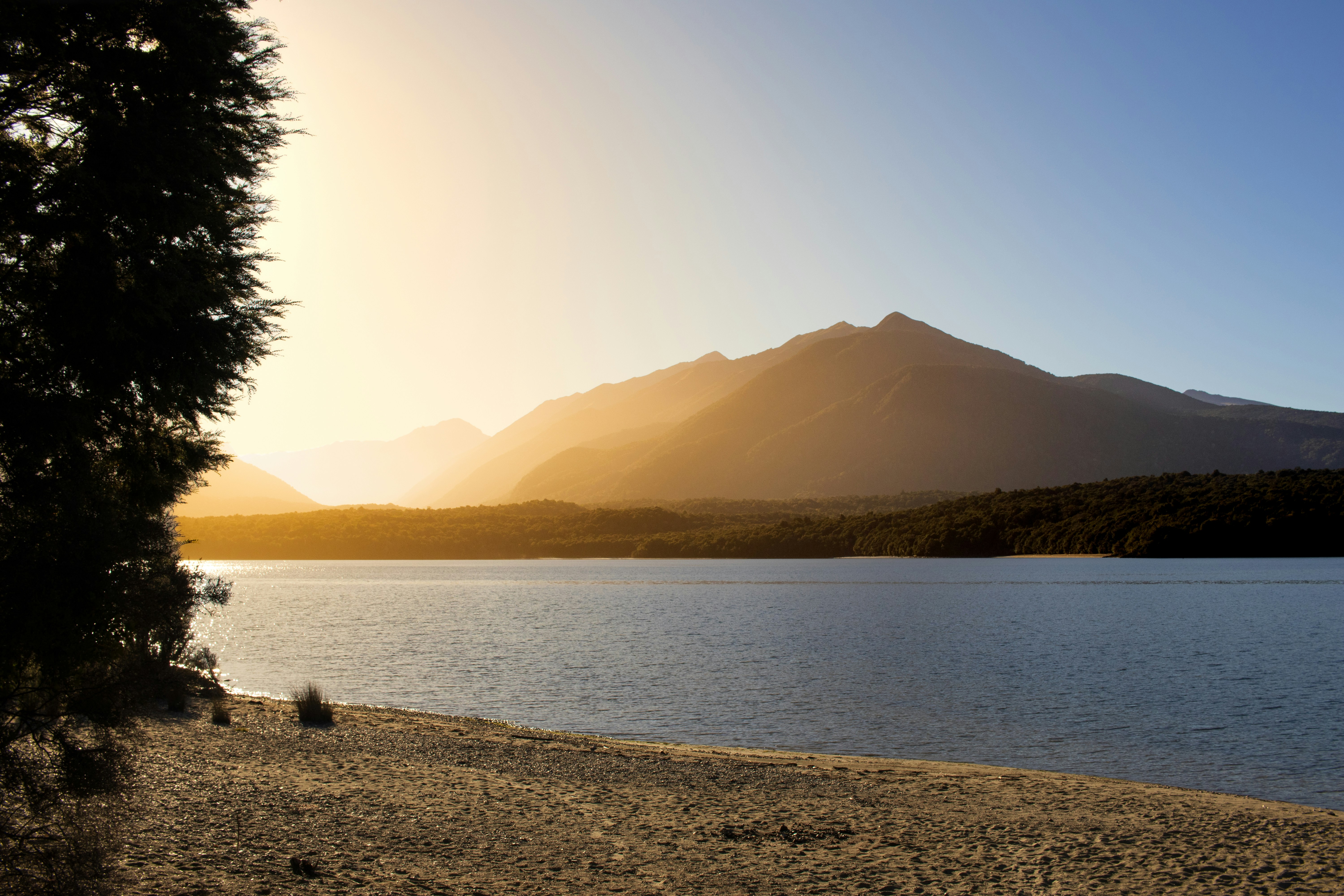
The locations that draw dusk-seekers tend to share a quality of emptiness. The Faroe Islands offer sea cliffs and long northern twilights with almost no crowds. The Scottish Highlands give you glens where the light lingers for what feels like an hour after the sun technically sets. Closer to a major city, Montserrat, the serrated massif an hour outside Barcelona, has monastery terraces that empty out by evening. And the Alentejo plains in southern Portugal — flat, sparse, cork-oak country — are among the darkest skies in Europe, which is exactly why the dusk there is worth the drive.
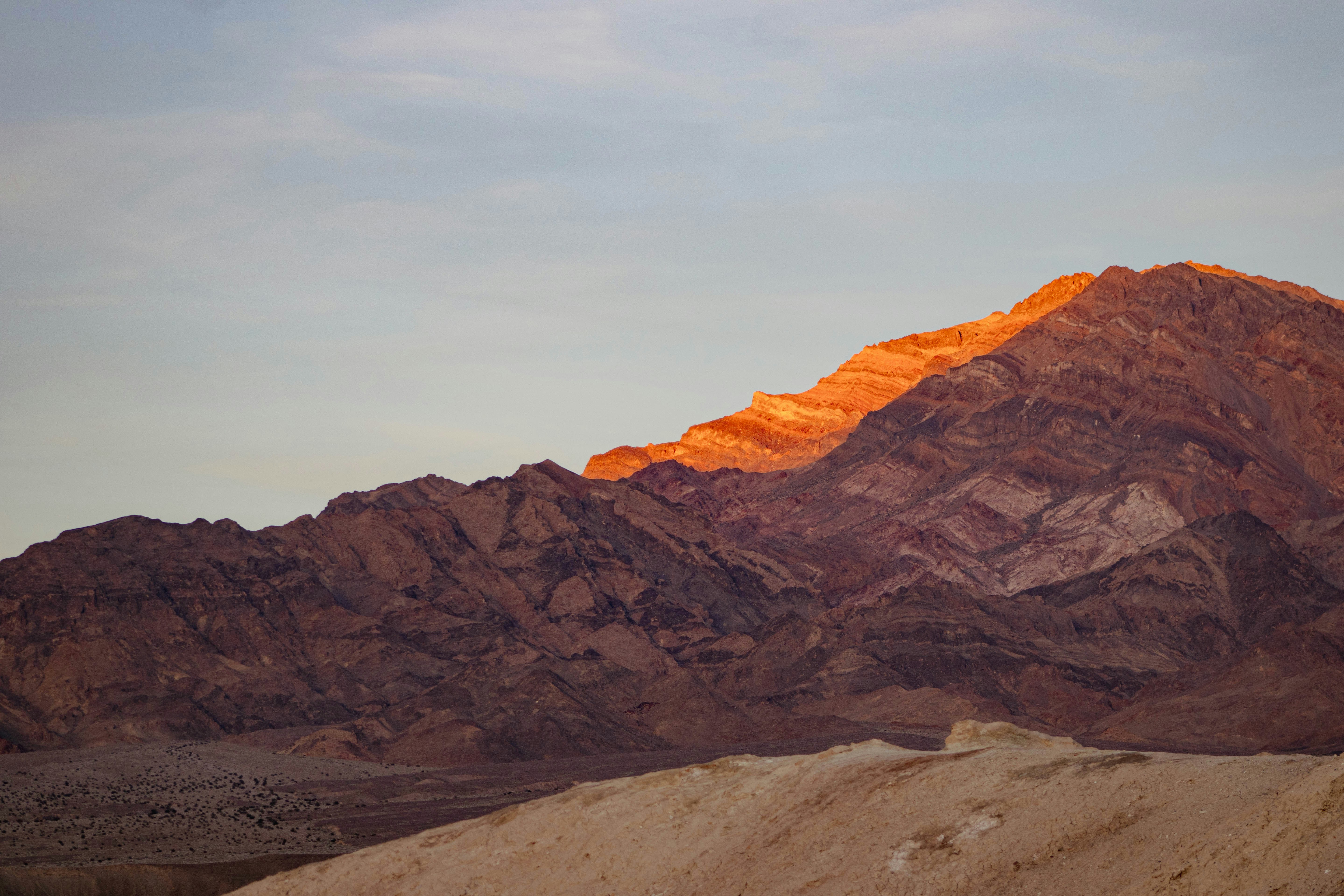
The catch with dusking is that the good spots aren’t the ones that show up first. Search for “best sunset in the Faroe Islands” and you’ll get the same three viewpoints everyone else is standing on, which rather defeats the point. Knowing which unmarked terrace faces the right way at the right hour, and how long the walk out to it takes, is local knowledge — the kind that used to live only in a friend who’d been.
The right hillside at the right hour, told in your ear as you walk
Wingman’s self-guided audio walks are built by people who know a place, so instead of a pin on a map you get the route to the exact terrace or ridge, when to leave to catch the light, and what you’re looking at once you’re there. Describe your evening in a sentence and the AI planner builds the walk around it — including the ones you saved off Reels.
Set-jetting: standing where the period drama was actually filmed
Set-jetting is the trend of building a trip around the real-world locations of a show or film you love — and in 2026 the pull is overwhelmingly toward period drama. People aren’t chasing green-screen fantasy sets. They want the actual stone cottage, the actual dale, the actual close where a story they’ve watched three times was shot.
The flagship case is the Yorkshire Dales, carried by the revival of All Creatures Great and Small. Fans travel to the market town of Grassington, whose square stands in for the fictional Darrowby, to walk the same cobbles the cast walks, then out into the surrounding Wharfedale and Swaledale — the drystone-walled “Herriot Country” that is basically the show’s fourth main character. Visitors aren’t there for a single photo op; they’re walking the landscape the way the camera does.
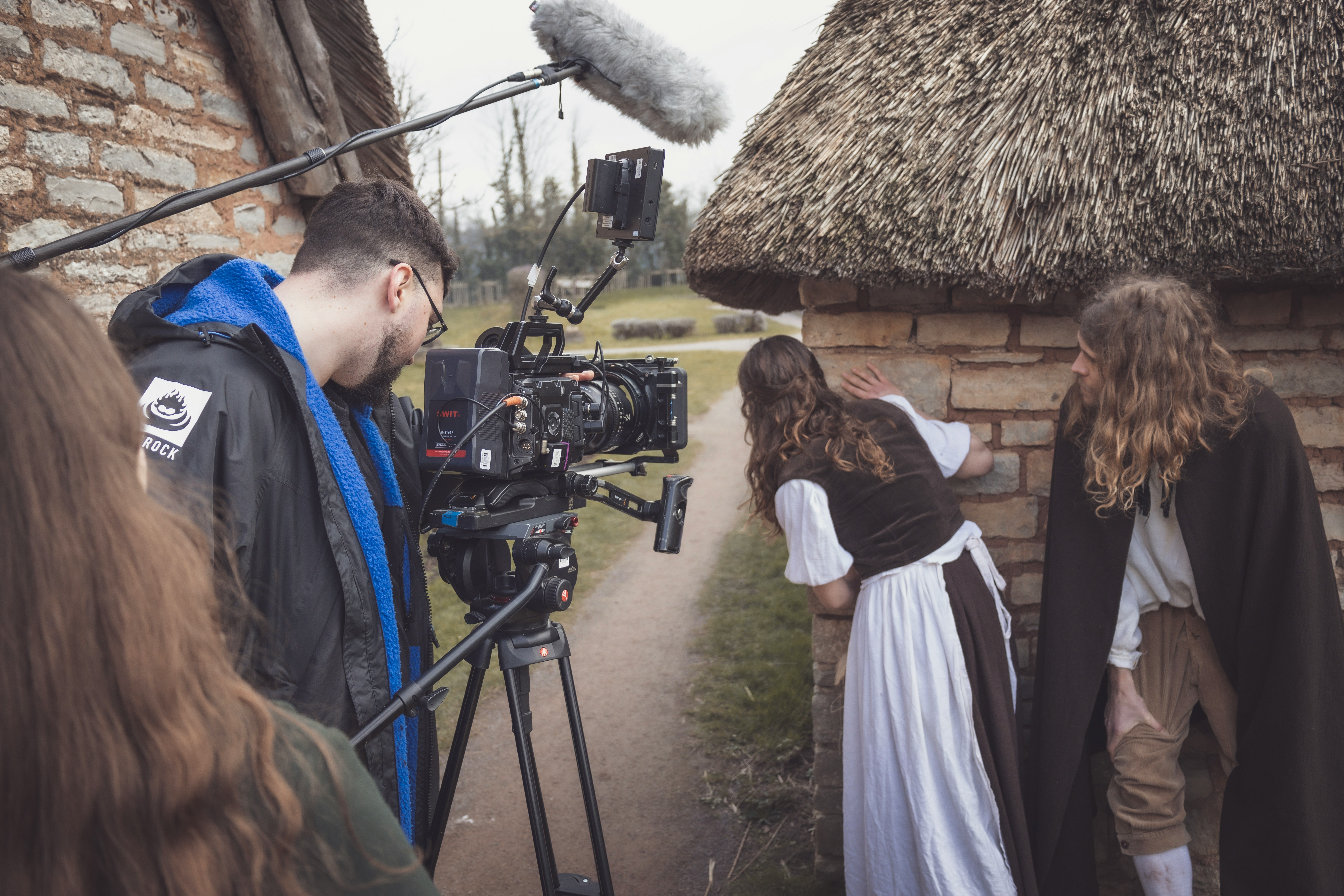
The same instinct sends fans elsewhere. In Split, Croatia, Game of Thrones visitors descend into the cellars of Diocletian’s Palace, the Roman basement where Daenerys kept her dragons, and out to the nearby fortress of Klis that stood in for Meereen. In Edinburgh, Outlander fans walk the closes off the Royal Mile and out to Midhope Castle, the real building that plays Jamie’s home of Lallybroch. And Sintra, in Portugal, with its Pena Palace and mist-wrapped Quinta da Regaleira, has become a standing set for period and fantasy productions — people go to walk the initiation well and the mossed gardens they first saw on screen.

Grassington’s square doubles as fictional Darrowby. Fans walk the cobbles, then out into Wharfedale and Swaledale — the real Herriot Country.
All Creatures Great & SmallCloses off the Royal Mile plus a trip to Midhope Castle, the real building that stands in for Jamie’s home of Lallybroch.
OutlanderThe cellars of Diocletian’s Palace played Daenerys’s dragon vault; nearby Klis Fortress stood in for Meereen. Walkable in an afternoon.
Game of ThronesPena Palace and Quinta da Regaleira’s initiation well have anchored a run of period and fantasy shoots — go to walk the gardens you saw on screen.
Period filmsSet-jetters aren’t chasing a backdrop. They’re walking into a place they already feel they know.
Put the three side by side and the pattern is hard to miss. Skillcations want the trip to change what you can do. Dusking wants it to change your pace. Set-jetting wants it to close the gap between a place you love on a screen and a place you’ve actually stood in. All three are travelers refusing to accept a holiday that’s only a series of things looked at from behind a phone.
So here’s the action rule, and it’s the same for all three. Pick one verb for your next trip — learn, watch, or walk-the-story — and let it own the itinerary. Build the days around the surf lesson, the dusk terrace, or the filming location, and treat the famous landmarks as the thing you do with the spare hours. You’ll come back with something a checklist trip never gives you: a single reason you actually went, instead of ten you can’t quite remember.