
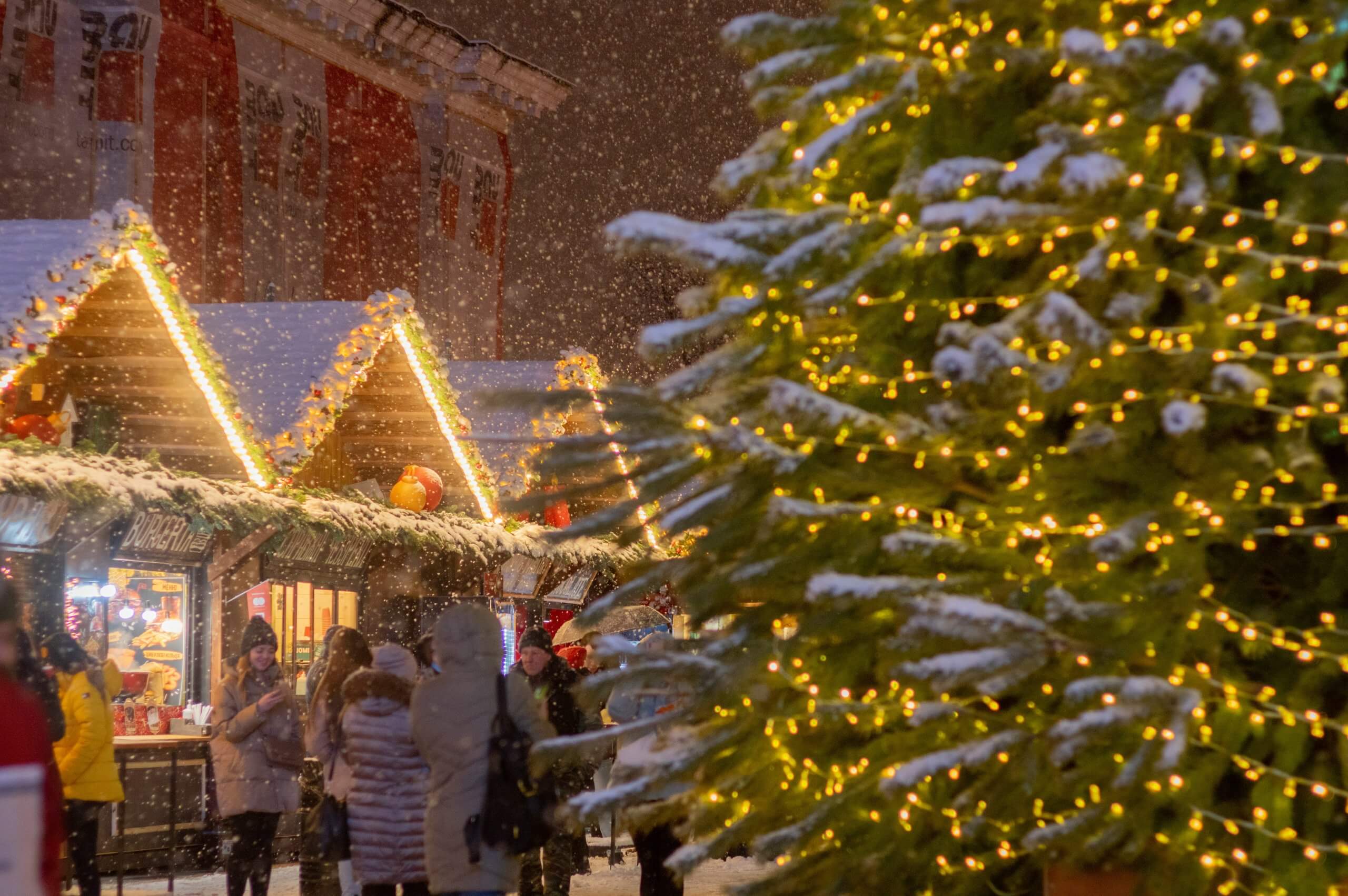
The Christmas Market Trap (2026): How to Spot Tourist Traps & Where Locals Go
Winter 2026 Deep Dive · 17 November 2026
6 min readThe Christmas Market Trap: why Europe’s most famous squares all sell the same factory-made trinkets — and where locals actually go
Sky-high stall rents have quietly pushed real woodcarvers and bakers off Europe’s flagship squares, replacing them with bulk resellers and powdered wine mix. Here is how to spot a tourist trap in 30 seconds, plus five neighborhood markets worth the detour.
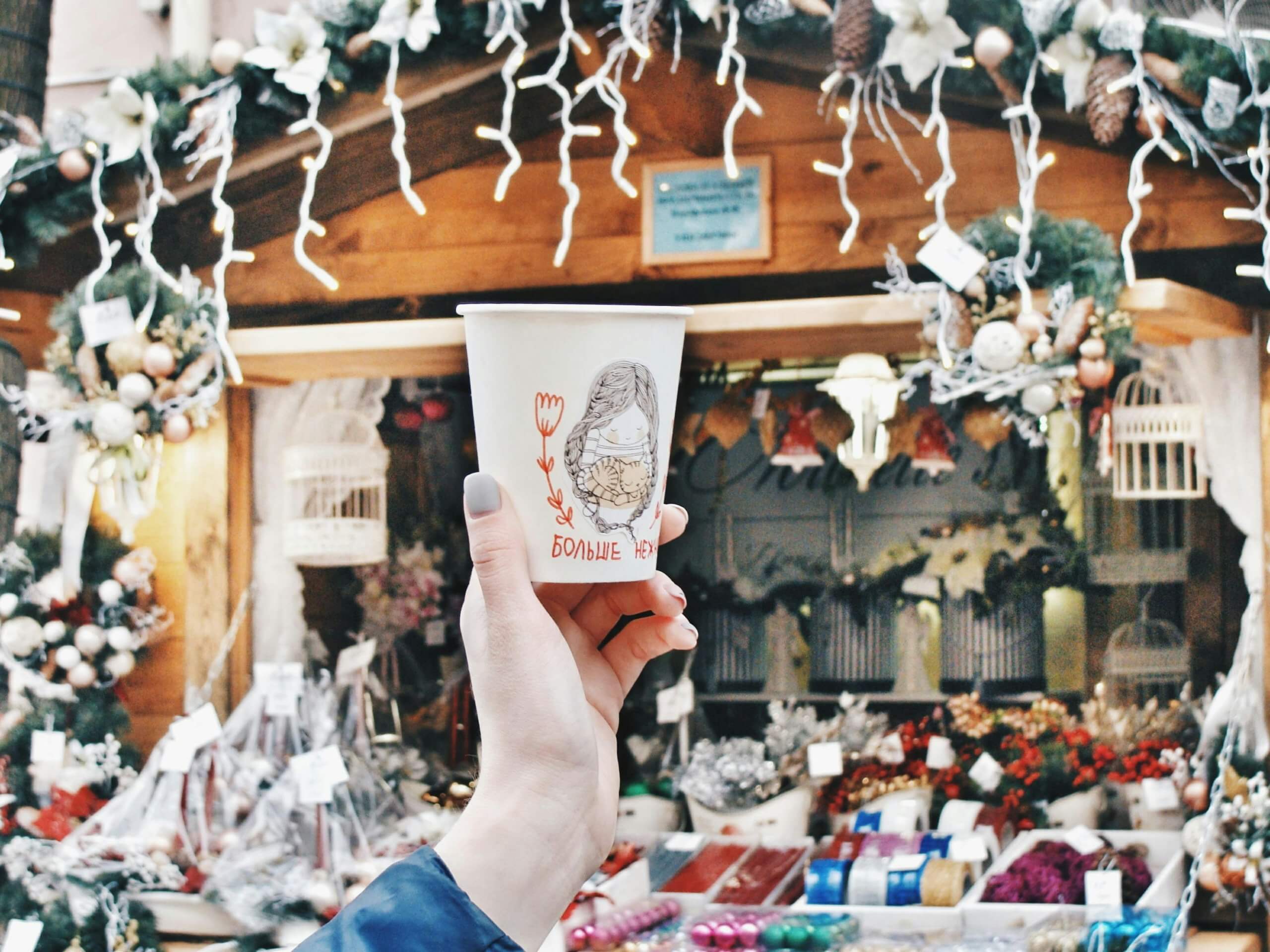
Quick answer · The 30-second rule
In 2026, municipal stall rents on Europe’s most famous squares have climbed so high that independent craftspeople often cannot afford them — leaving prime spots to bulk importers selling identical mass-produced ornaments and premixed wine. To find the real thing, look for juried artisan markets (such as Vienna’s Karlsplatz Art Advent), order Winzerglühwein (vineyard-made mulled wine), and walk 10–15 minutes off the main tourist square to neighborhood markets like Prague’s Náměstí Míru or Budapest’s Óbuda.
Why every major market suddenly looks identical
Walk across Vienna’s Rathausplatz, Prague’s Old Town Square, and Budapest’s Vörösmarty Square in the same week and you will notice an uncanny pattern: the same folded paper stars, the same laser-cut wooden snowflakes, the same “traditional” chimney cakes, and the same steaming urns of overly sweet red liquid.
It is not your imagination. As European winter city breaks have boomed — and if you are still checking exact opening dates, see our 2026 European Christmas markets opening calendar — prime chalet fees in central squares have surged past €10,000–€18,000 for a five-week run. A ceramicist who throws pots by hand cannot sell enough mugs to cover that rent. A high-volume reseller importing pallets of ornaments or serving industrial syrup-wine from 20-litre bag-in-box cartons easily can.
The good news: the authentic markets did not disappear. They simply moved one metro stop or ten minutes’ walk away.
Four red flags of a Christmas market tourist trap
The “traditional” chimney cake in Prague
Trdelník is sold on every corner of Prague’s Old Town Square as “Old Bohemian pastry.” In reality, it is a Hungarian-Transylvanian spit cake (kürtőskalács) that only arrived in Prague’s tourist core in the 2000s — especially when stuffed with Nutella and soft-serve ice cream.
Generic “Glühwein” with no winery name
Most big-square stalls pour cheap bulk wine sweetened with glucose syrup from plastic canisters. Look instead for the word Winzerglühwein (vintner’s mulled wine) or a chalkboard naming the specific regional grape and estate.
Three stalls selling the exact same “handmade” item
Real artisans rarely rent three separate chalets on the same square. If you spot identical wooden nativity sets, felt slippers, or glass baubles repeated across multiple booths, you are looking at wholesale stock.
Missing price boards & surprise mug fees
Reputable markets clearly post both the drink price and the refundable ceramic mug deposit (Pfand, usually €3–€5). Stalls that hide prices behind handwritten signs often inflate tourist tabs at peak evening hours.
30-second stall authenticity check
Standing in front of a chalet right now? Tap the clues you see to check whether to order or walk on.
Skip the trap → walk here instead (5 city swaps)
Vienna: Skip Rathausplatz at 19:00 → Walk to Karlsplatz Art Advent
Vienna’s Art Advent on Karlsplatz is one of the strictest juried markets in Europe: every single exhibitor must prove they designed and produced their work themselves, and all food stalls are certified organic. Walk 15 minutes west to Spittelberg afterward for narrow cobblestone lanes lit by lanterns.
What to order: Organic Uhudler mulled wine (made from rare wild-strawberry-scented grapes from Burgenland) and warm Kaiserschmarrn.
Budapest: Skip Vörösmarty’s pricey food court → Head to Óbuda Fő tér
While Vörösmarty Square draws tour groups with €18 sausage plates, locals take the H5 suburban train 12 minutes north to Óbuda’s Main Square (open late November through December), where a free neighborhood ice rink, local folk concerts, and fairly priced chimney cake stalls fill a baroque square. Pair an afternoon walk from our Budapest audio guides with an evening trip north.
What to order: Charcoal-baked walnut kürtőskalács (this is where it actually belongs) and hot Hungarian krampampuli.
Prague: Skip Old Town Square → Walk to Náměstí Míru (Peace Square)
Set in front of the neo-Gothic Church of St Ludmila in the residential Vinohrady district, Náměstí Míru opens early (20 November) and serves Prague office workers and families rather than tour buses — at roughly half the price of Old Town Square.
What to order: Hot Czech medovina (honey mead) and toasted bramboráky (garlic potato pancakes).
Alsace: Skip Strasbourg on Saturdays → Take the train to Obernai or Kaysersberg
Strasbourg’s Saturday crowds can grind pedestrian bridges to a standstill. Twenty minutes away on the Alsatian Wine Route, Obernai and Kaysersberg celebrate their own winegrowers directly in the square — and you can generate an instant on-demand walking tour for either town inside Wingman.
What to order: Hot Alsatian Pinot Blanc spiced with star anise and local mirabelle plum tart.
Munich: Skip Marienplatz → Go to Tollwood Winter Festival
Held on the Theresienwiese grounds, Tollwood blends a fair-trade artisan market with heated circus tents, live world music, and organic Bavarian street food — with zero mass-produced plastic souvenirs allowed on site.
What to order: Organic Feuerzangenbowle (rum-soaked sugarloaf set aflame over spiced red wine).
Explore past the main square
Let Wingman lead you two streets past the crowd — offline
Tourist traps thrive when visitors don’t know what is around the next corner. Wingman puts local stories and custom routes in your pocket, with zero roaming data required.
FAQ
How do I know if a European Christmas market is authentic?
Look for “juried” markets (such as Vienna’s Karlsplatz Art Advent) where vendors must produce their own goods, check chalkboards for named local wineries (Winzerglühwein), and avoid squares where multiple booths sell identical wooden or plastic items.
Is trdelník (chimney cake) actually a traditional Czech food?
No. While trdelník is sold everywhere in central Prague, its roots are Hungarian-Transylvanian (kürtőskalács). It only became a ubiquitous Prague street snack in the 2000s.
What is the difference between Glühwein and Winzerglühwein?
Standard Glühwein at large tourist stalls is often made from low-cost bulk wine and pre-mixed spice syrups. Winzerglühwein is brewed directly by a vineyard or winemaker using single-estate grapes and whole spices.
Which European cities have the best neighborhood Christmas markets?
Vienna (Karlsplatz Art Advent and Spittelberg), Budapest (Óbuda Fő tér), Prague (Náměstí Míru in Vinohrady), Munich (Tollwood Winter Festival), and smaller Alsatian towns like Obernai and Kaysersberg.
Can Wingman create an audio walking tour for smaller Christmas market towns?
Yes. Alongside 700+ local-guide tours in major cities, Wingman’s on-demand AI route generator builds an offline-ready audio walking tour for any town or landmark you type in.