
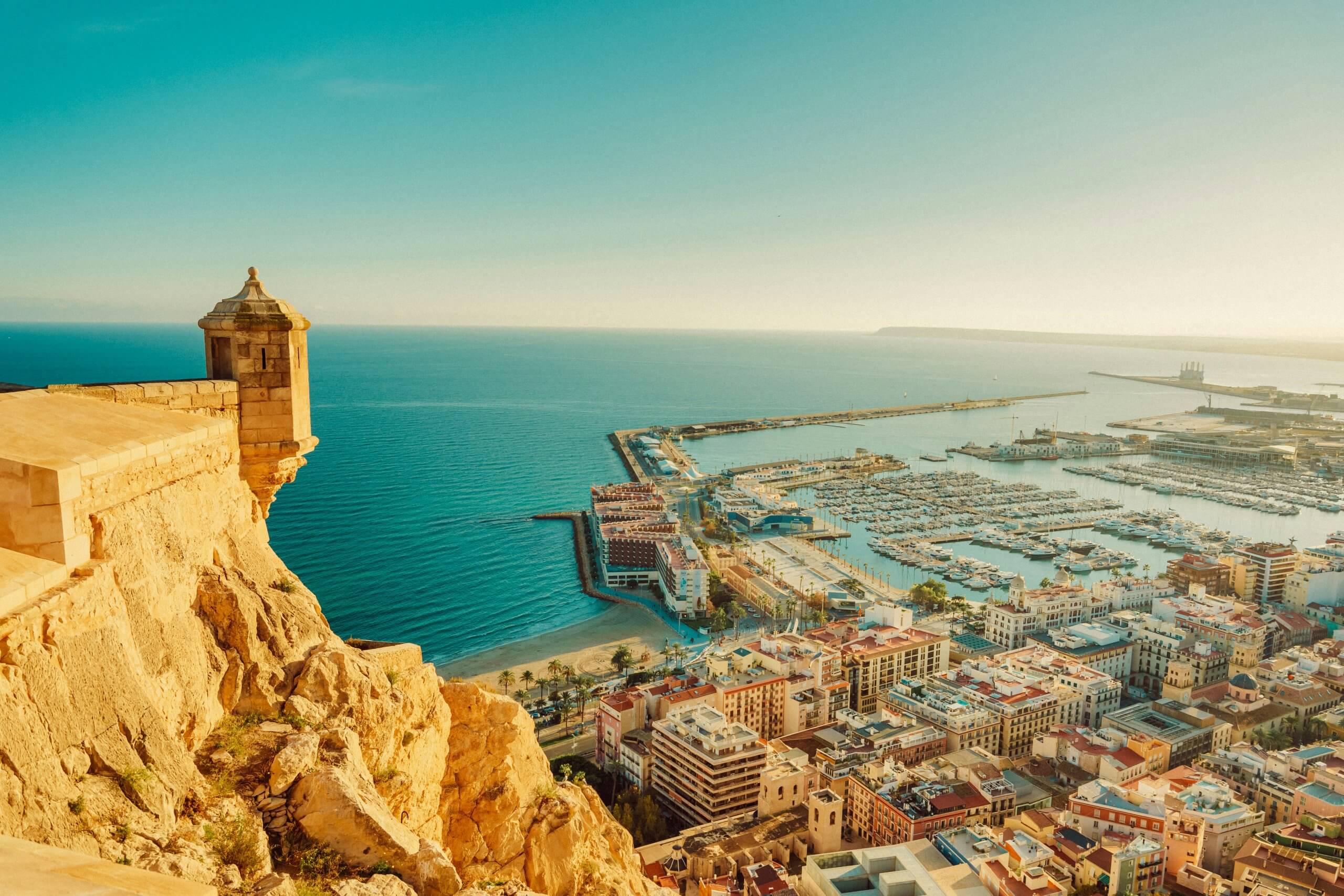
12 Places Europe Will Be Obsessed With in 2027 — Go Before Everyone Else Does
2027 Travel Radar · November 2026
8 min read12 Places Europe Will Be Obsessed With in 2027 — Go Before Everyone Else Does
2027 is already shaping up to be a ridiculous year for travel: a total solar eclipse slicing across southern Spain, a Baltic beach city taking the European Capital of Culture crown, and a wave of mid-sized cities finally stealing the spotlight from Europe’s overcrowded heavyweights.
The 2027 Shift · Why book early
According to European Travel Commission (ETC) research, 76% of Europeans already plan to take an overnight trip between late 2026 and early 2027—and 44% are deliberately skipping overcrowded icons in favour of lesser-known spots. Pair that shift with two massive 2027 calendar anchors—the August 2 total solar eclipse in Southern Spain and Liepāja’s year as European Capital of Culture—and you have a shortlist of twelve places worth locking in before flight prices and hotel availability catch up.
The 2027 Headline Event: Total Solar Eclipse in Southern Spain
Every few years, astronomy hands travellers a non-negotiable date. In 2027, that date is Monday, 2 August—when a rare, long-duration total solar eclipse crosses the Strait of Gibraltar and sweeps directly over southern Andalusia in clear summer skies.
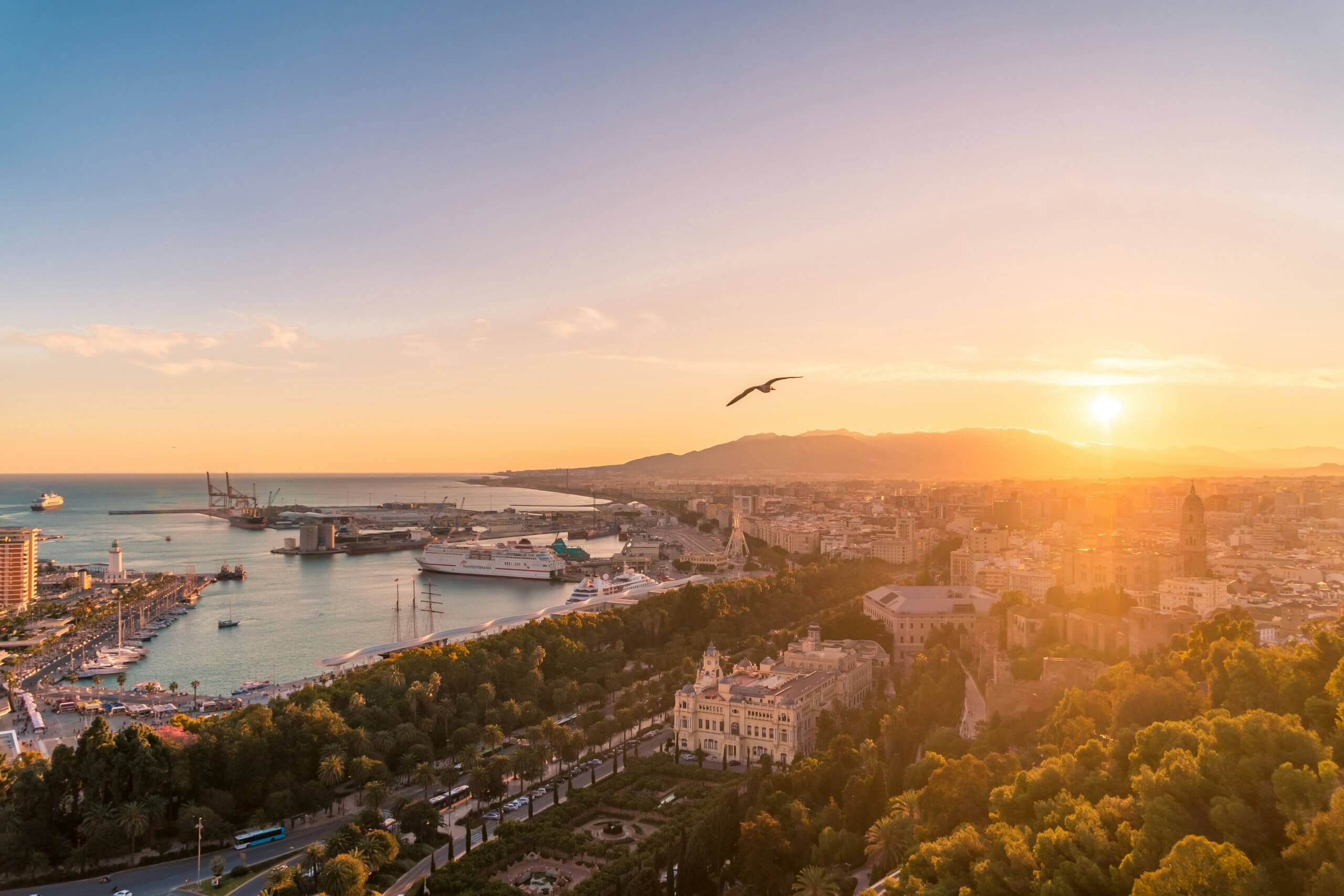
Southern Spain: Cádiz, Málaga & Marbella in the Path of Totality
Unlike eclipses that require chartering an expedition ship or camping in a remote desert, the 2027 totality track runs right across cities with international airports, high-speed AVE trains, and beachfront tapas bars. Cádiz, Marbella, and Málaga all sit inside the path of totality, meaning midday will briefly turn to twilight—stars visible above the Mediterranean—before the sun roars back.
Accommodation along the Costa de la Luz and Costa del Sol is already seeing early astronomy-group bookings. Book refundable stays now, plan to arrive at least two days ahead of 2 August to beat coastal highway gridlock, and turn the rest of the week into a slow Andalusian road trip through whitewashed hilltop villages (pueblos blancos) and Jerez sherry bodegas.
When to lock it in: Now—especially for beachfront stays between Tarifa, Marbella, and Málaga around 31 July – 4 August 2027.
Cultural Capitals & Underrated Cities Getting Their Moment
Liepāja, Latvia
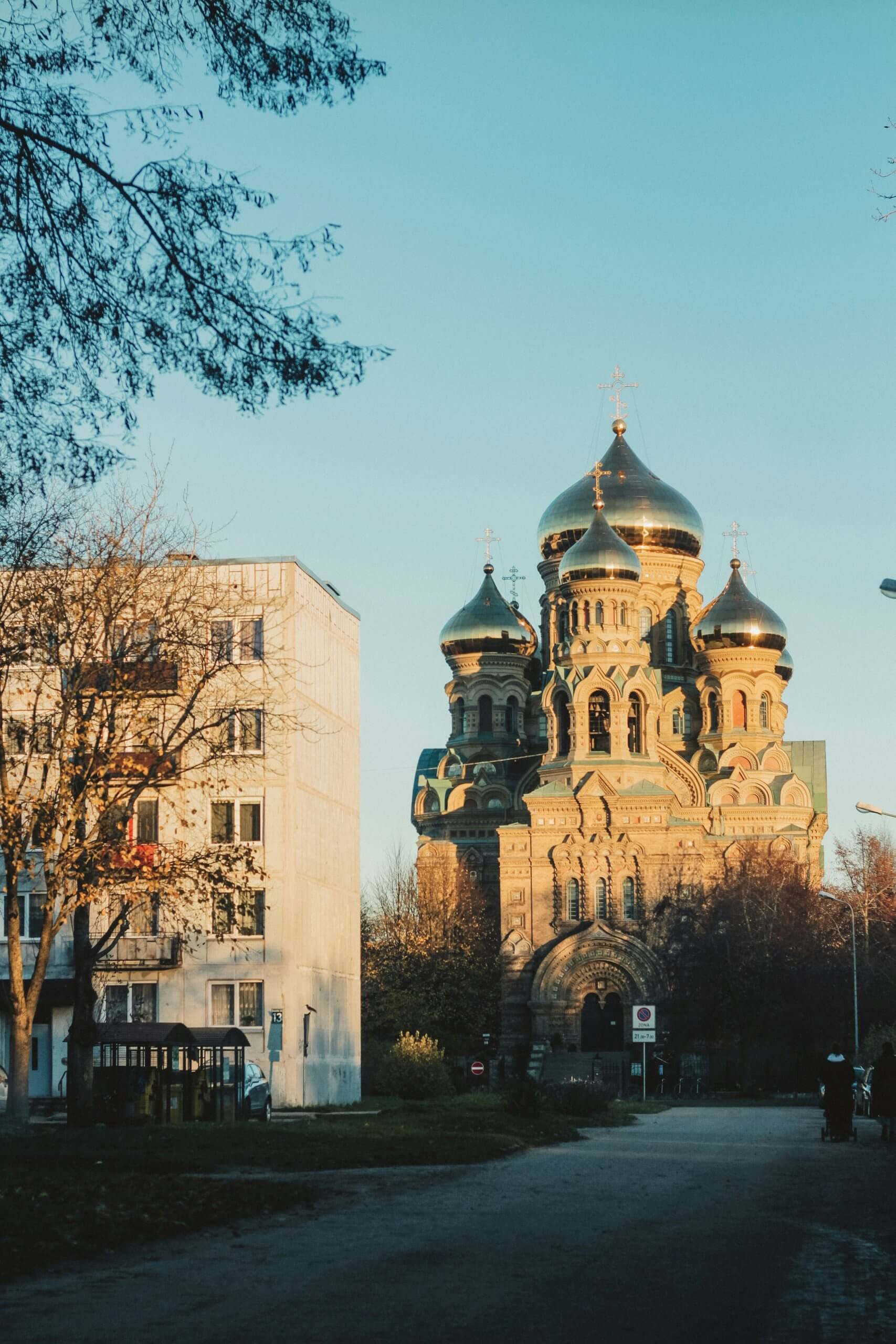
Known locally as the “city where the wind is born,” Latvia’s third-largest city steps onto the continental stage in 2027 as a European Capital of Culture. Expect a year-long programme of coastal sound-art installations, Baltic choral concerts inside the amber-toned Great Amber Concert Hall, and open-air performances stretching from wooden Art Nouveau streets to Karosta, a dramatic former Tsarist and Soviet naval base crumbling into the Baltic waves.
Why 2027: Flagship opening and summer festival programming without Western European capital prices—plus miles of white-sand Baltic beach.
Bratislava, Slovakia
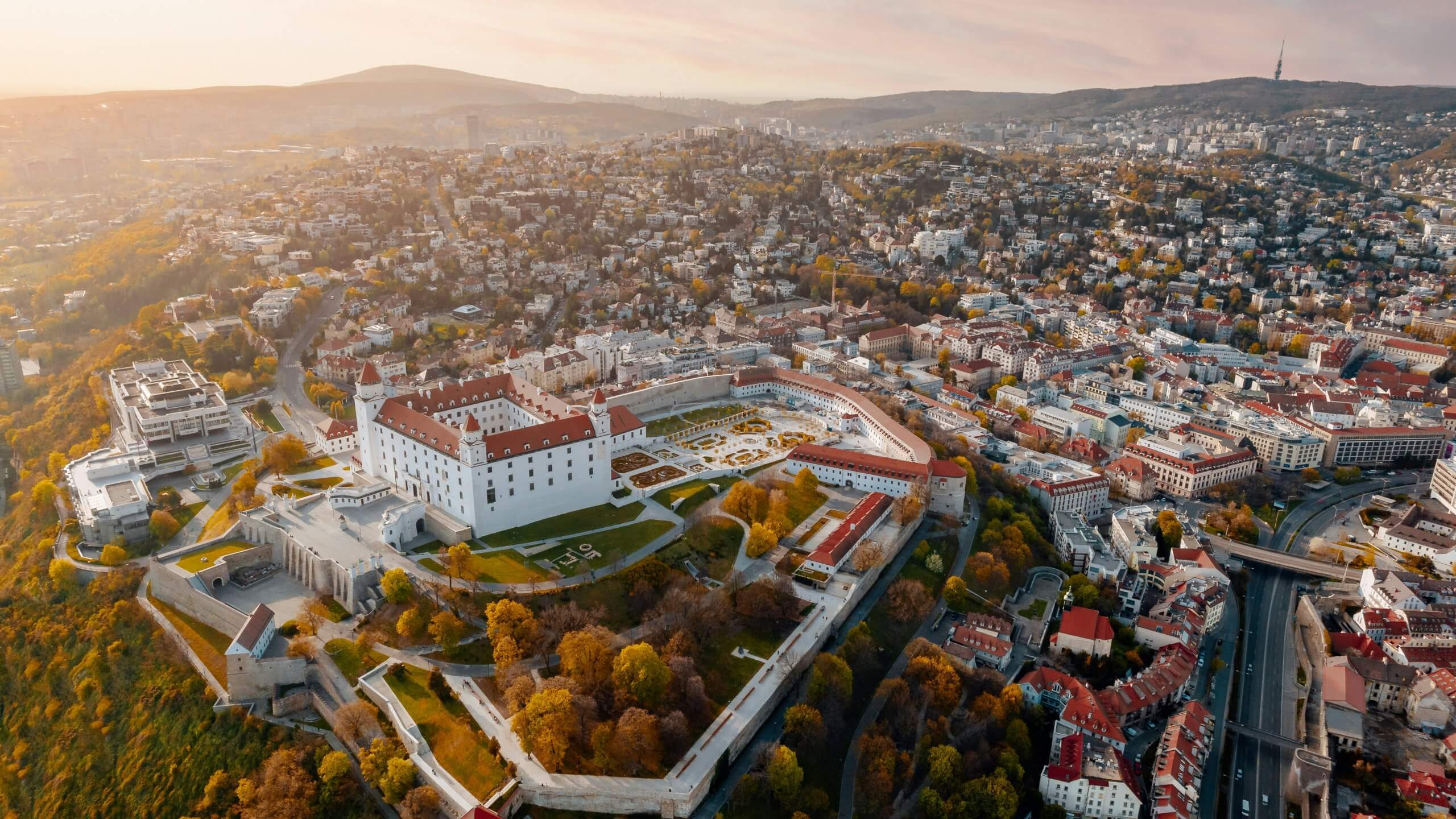
For years, travellers treated Bratislava as a two-hour riverboat footnote between Vienna and Budapest. That is changing fast. Compact, walkable, and backed by the vineyards of the Little Carpathians, Slovakia’s capital rewards anyone who stays overnight: specialty coffee roasters tucked into pastel Habsburg courtyards, brutalist Cold War landmarks like the UFO Bridge, and natural wine cellars 20 minutes north in Pezinok and Modra.
Smart routing: Fly into Vienna (45 minutes away by bus or train) and give Bratislava two full nights instead of a rushed afternoon.
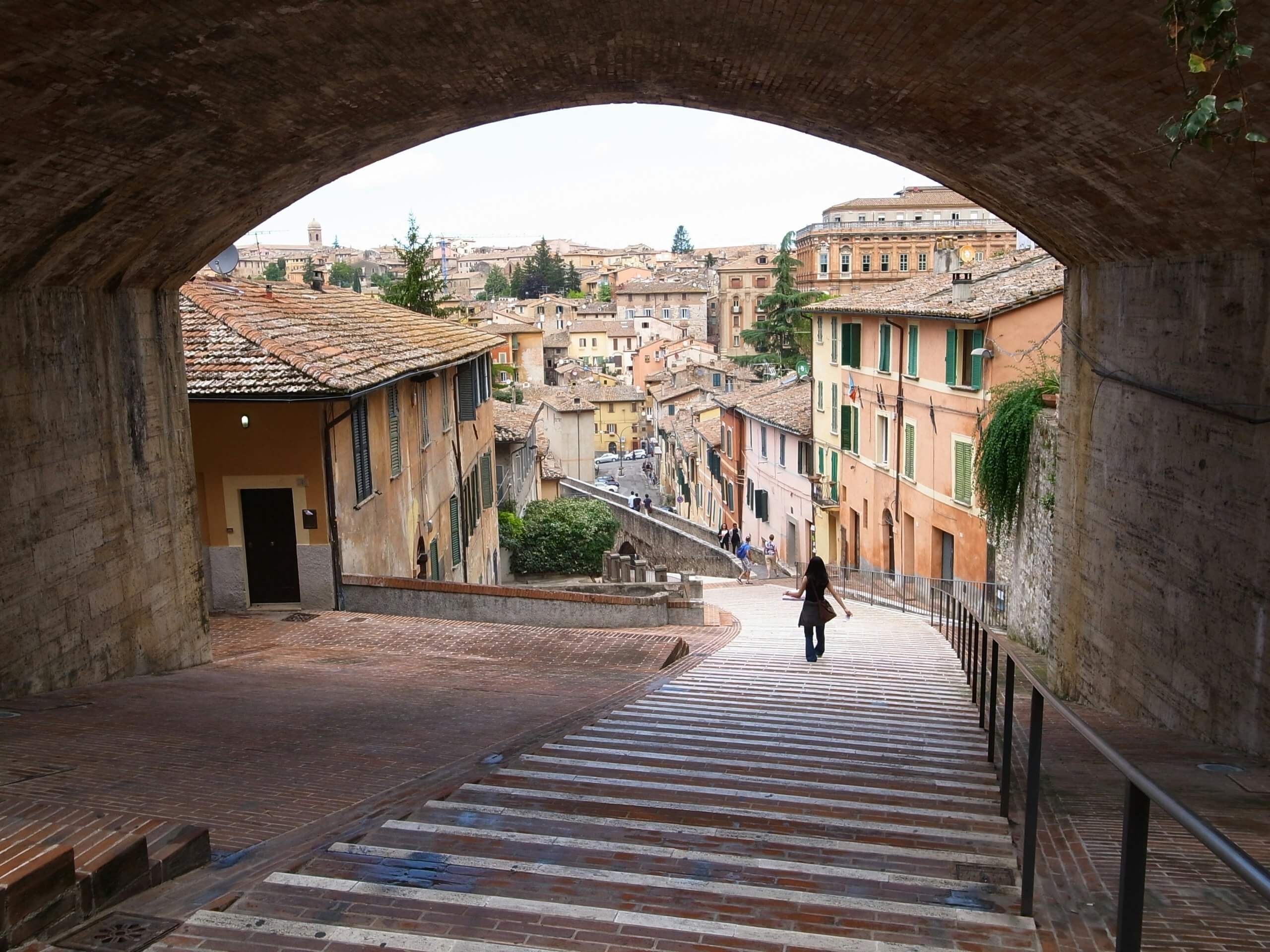
Perugia, Italy
If Florence and Rome felt like queuing simulators in 2025 and 2026, Perugia is the antidote. Perched high above Umbria’s rolling olive groves, this Etruscan-and-medieval university town delivers Renaissance frescoes, underground papal fortresses (Rocca Paolina), and black-truffle pasta at trattorias where locals still outnumber visitors—especially outside July’s Umbria Jazz week.
Basecamp bonus: Easy regional trains connect Perugia to Assisi, Spello, and Lake Trasimeno in under 35 minutes.
Adriatic Stone, Champagne Cellars & Coast-to-Mountain Italy
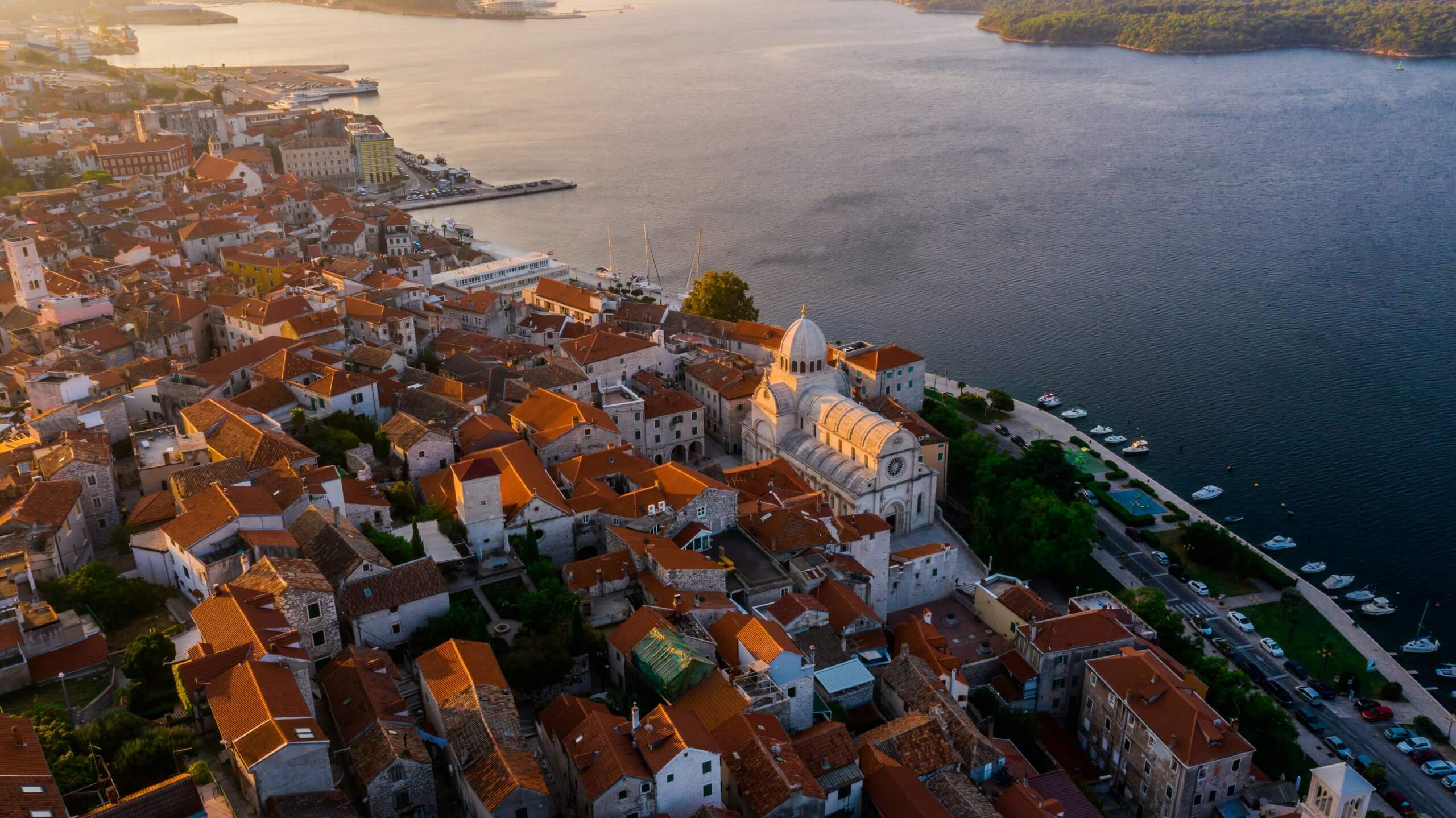
Šibenik, Croatia
While Dubrovnik and Split wrestle with cruise-ship bottlenecks, Šibenik remains a working Dalmatian stone city with not one but two UNESCO World Heritage sites—the lace-carved Cathedral of St James and the sea-fortress of St Nicholas guarding its channel. From the waterfront promenade, ferries hop straight out to the car-free Kornati archipelago, while Krka National Park’s waterfalls sit 20 minutes inland.
Sweet spot: May–June or September, when Adriatic water is warm enough to swim and stone stairways are quiet after dusk.
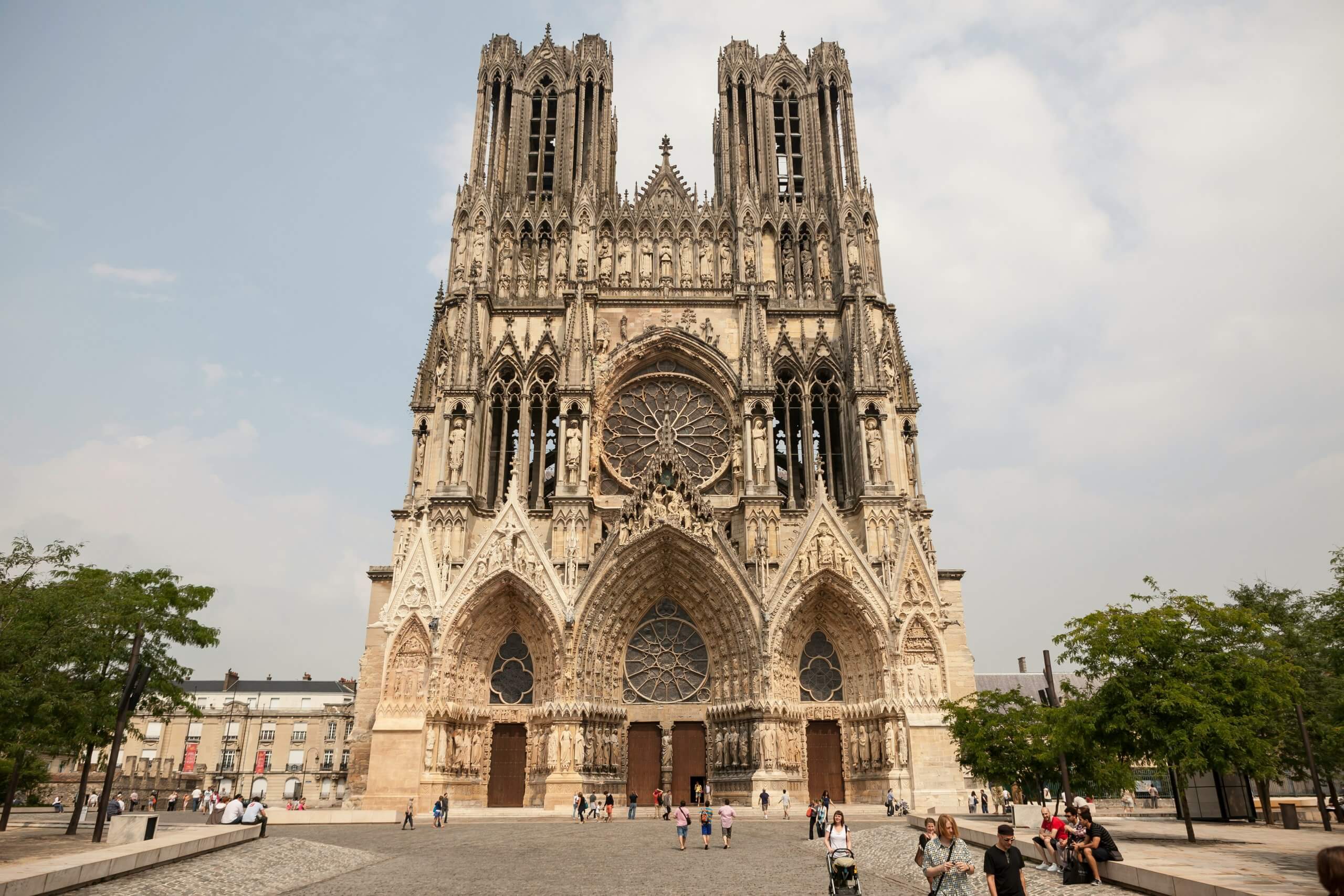
Reims, France
Just 45 minutes by TGV from Paris Gare de l’Est, Reims pairs one of Europe’s greatest Gothic cathedrals—where French kings were crowned for centuries—with 250 kilometres of UNESCO-listed Roman chalk cellars (crayères) carved beneath the city. Pair a morning tour at Ruinart or Taittinger with an afternoon tasting small-grower Champagnes in the Montagne de Reims villages.
Pro move: Book cellar tastings 6–8 weeks ahead; many historic chalk caves cap group sizes strictly.
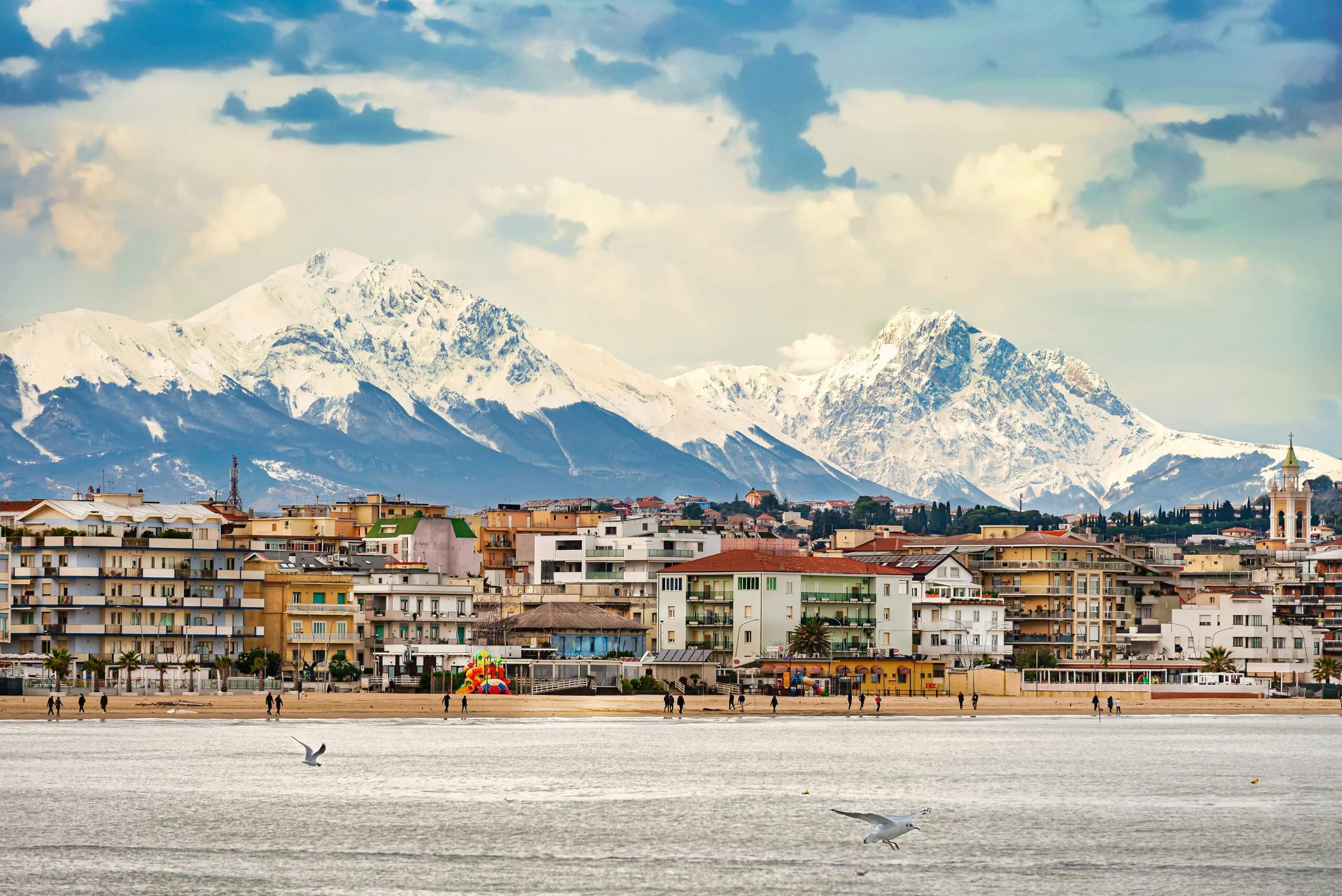
Pescara + Abruzzo, Italy
Few regions in Europe compress beach, ancient hill towns, and serious Alpine peaks into a single 90-minute drive like Abruzzo. Start in Pescara for morning espresso on the Adriatic boardwalk and seafood dinners perched over the water on historic wooden trabocchi fishing piers—then drive inland to Gran Sasso’s high plateau and charcoal-grilled arrosticini skewers.
Why now: Direct low-cost flights into Pescara make it one of Italy’s highest-value coastal-and-mountain combinations for 2027.
Smart Alternatives to Europe’s Over-Booked Heavyweights
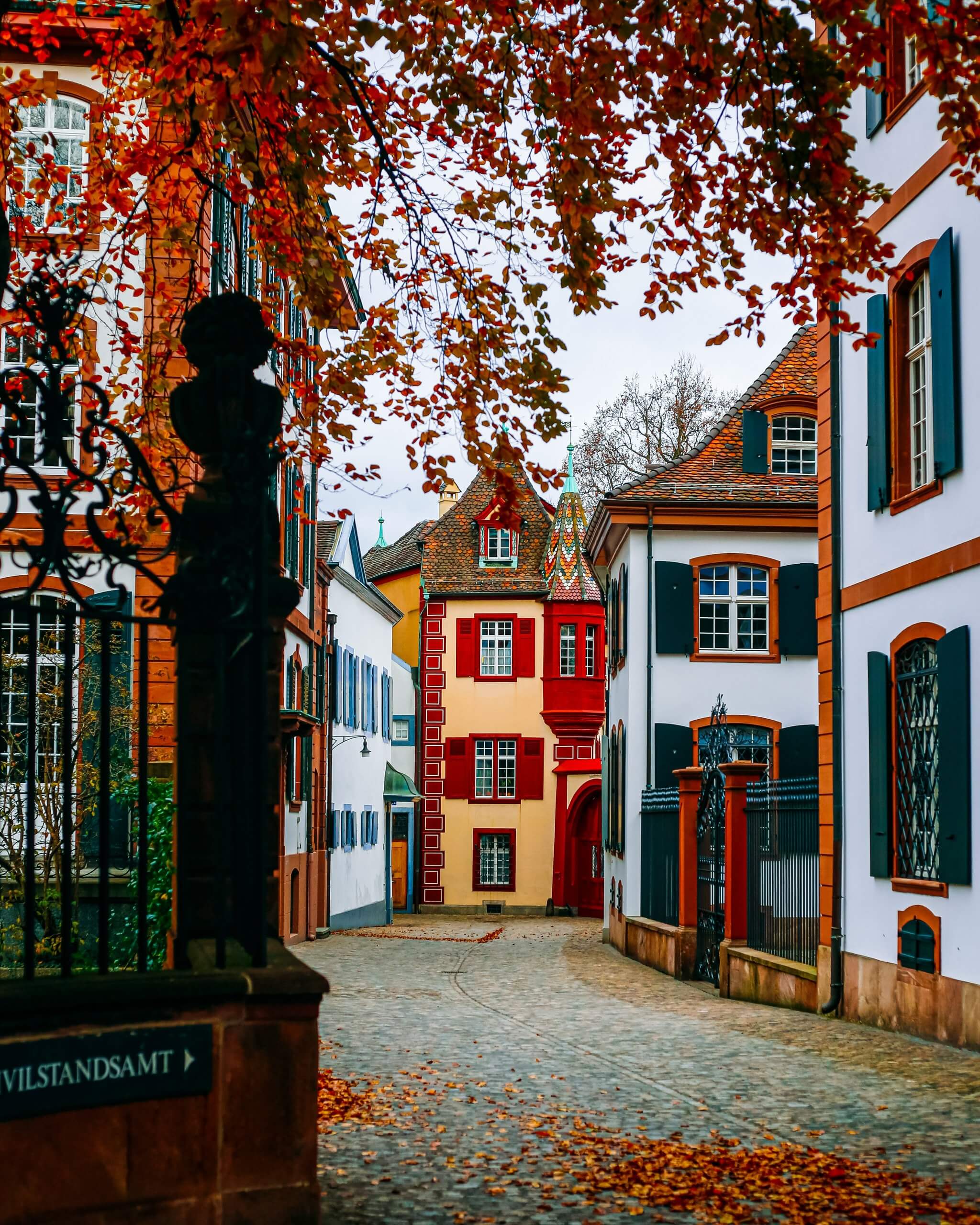
Basel, Switzerland
Skip Zurich’s corporate polish for Switzerland’s true cultural capital. Straddling the Rhine where Switzerland, France, and Germany meet, Basel packs nearly 40 museums into a compact city—from the Renzo Piano-designed Fondation Beyeler to Herzog & de Meuron’s architectural landmarks. In summer, locals stuff their clothes into waterproof Wickelfisch dry-bags and float straight down the Rhine current past the medieval Old Town.
Insider perk: Every overnight hotel booking includes a free BaselCard for unlimited trams and half-price museum entry.

León, Spain
While crowds pack into Barcelona and Madrid, high-speed trains whisk savvy travellers two hours northwest to León—home to 1,800 square metres of glowing 13th-century stained glass inside its Gothic cathedral, one of Antoni Gaudí’s rare buildings outside Catalonia (Casa Botines), and the Barrio Húmedo, where every glass of Bierzo red wine still comes with a complimentary full-sized tapa.
Evening ritual: Order a corto (small beer) or Mencía wine at three different bars in Barrio Húmedo—dinner takes care of itself.
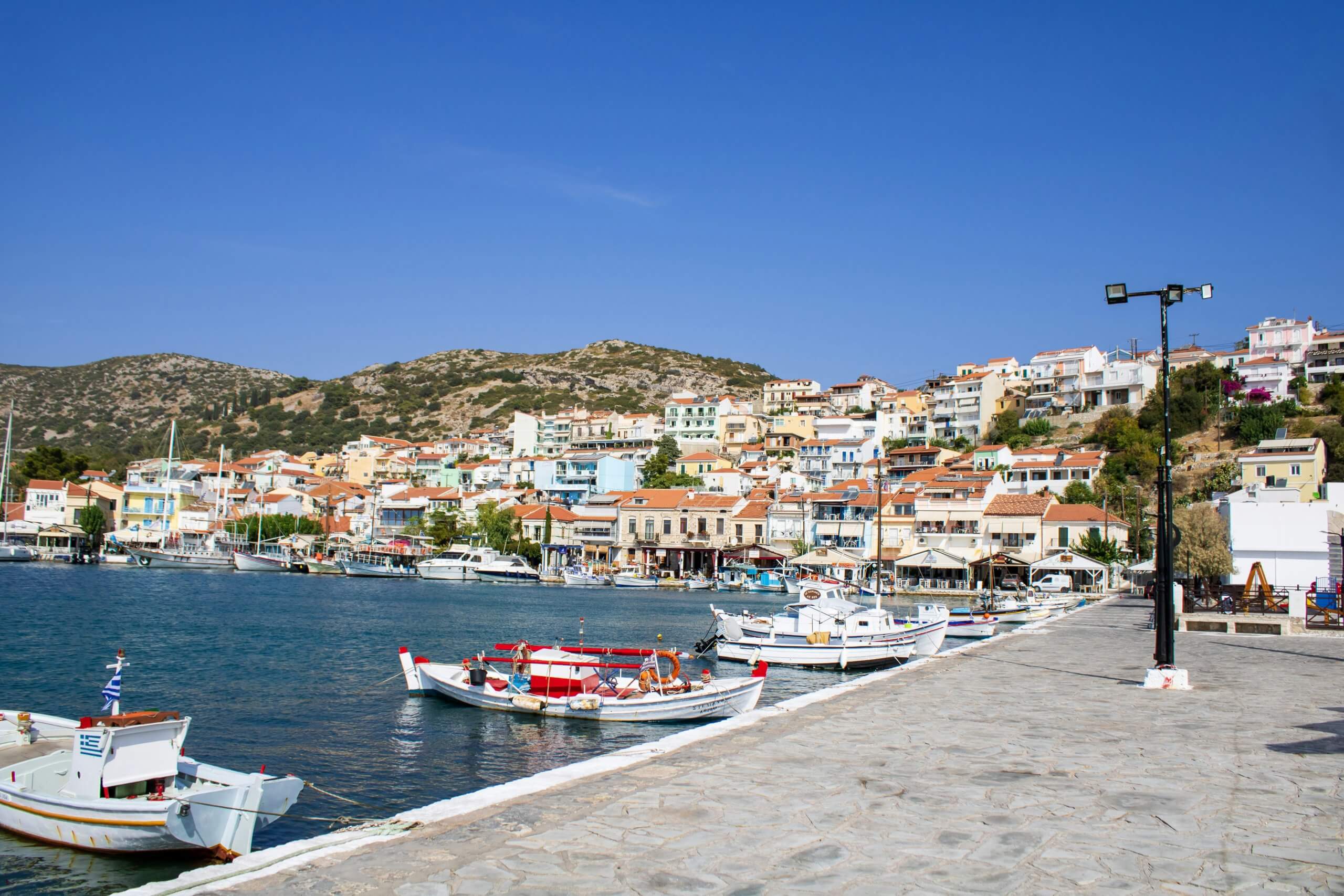
Samos, Greece
If your idea of a Greek island does not involve €45 sunset cocktails or beach clubs blasting bass, look east to lush, pine-covered Samos. Birthplace of Pythagoras, this North Aegean island pairs turquoise pebble coves and terraced Muscat vineyards with an astonishing feat of ancient engineering—the 6th-century-BC Tunnel of Eupalinos, dug simultaneously from both sides of a mountain.
Pacing tip: Split your stay between harbourfront Pythagoreio and hillside Manolates for sea breezes and mountain tavernas.
Two-Country Crossings & Peak Arctic Winter
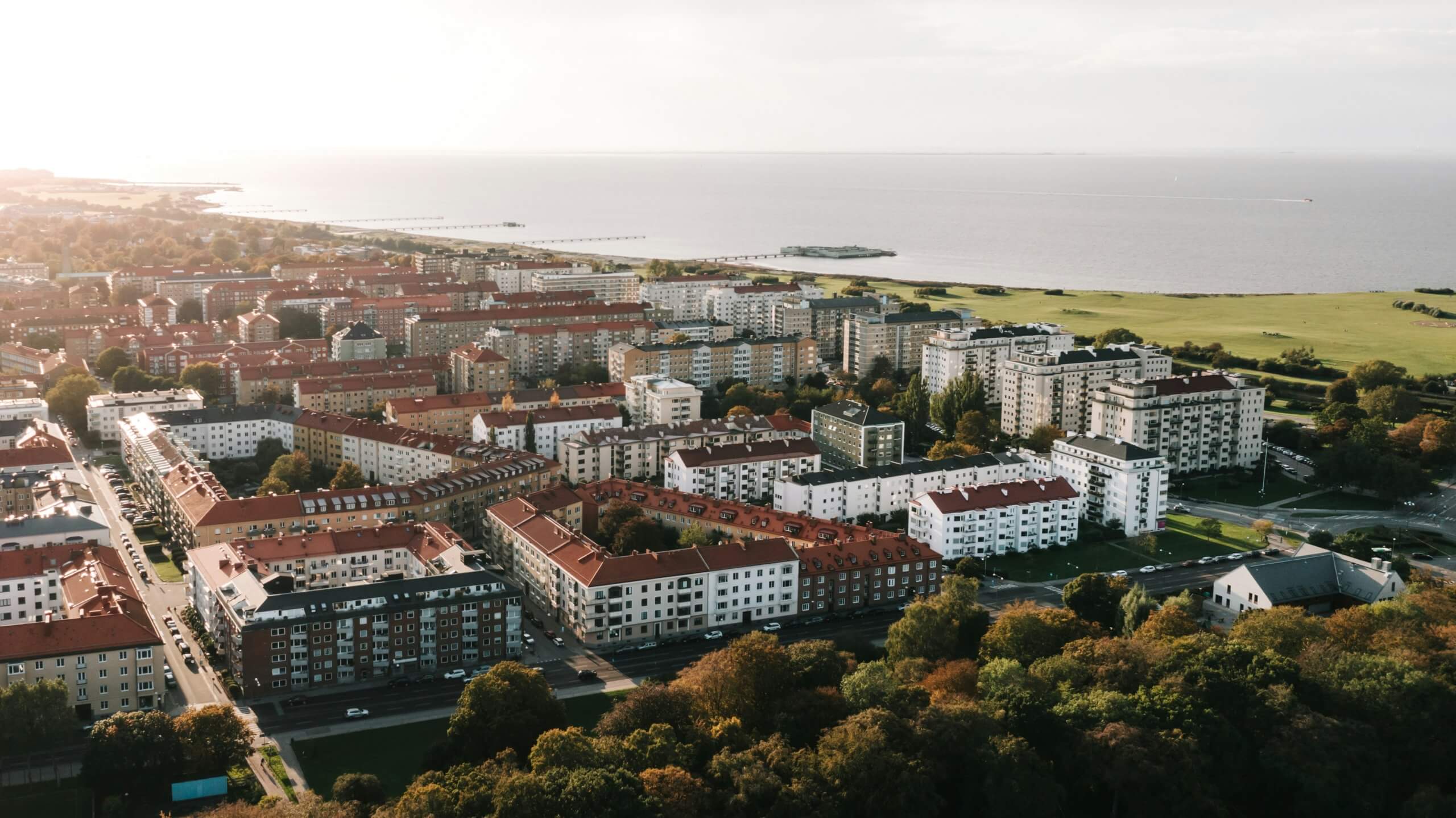
Malmö + Copenhagen
Two countries, two currencies, and two distinct design cultures connected by a 35-minute train ride across the Øresund Bridge. Base yourself in Copenhagen for harbour baths, cardamom buns, and cycling lanes—or stay in Malmö for significantly lower hotel rates and spend days bouncing between Malmö’s wood-fired Ribersborg open-air sea sauna and Copenhagen’s waterfront food halls.
Effortless logistics: Trains run every 15 minutes around the clock directly from Copenhagen Airport (CPH) to both city centres.
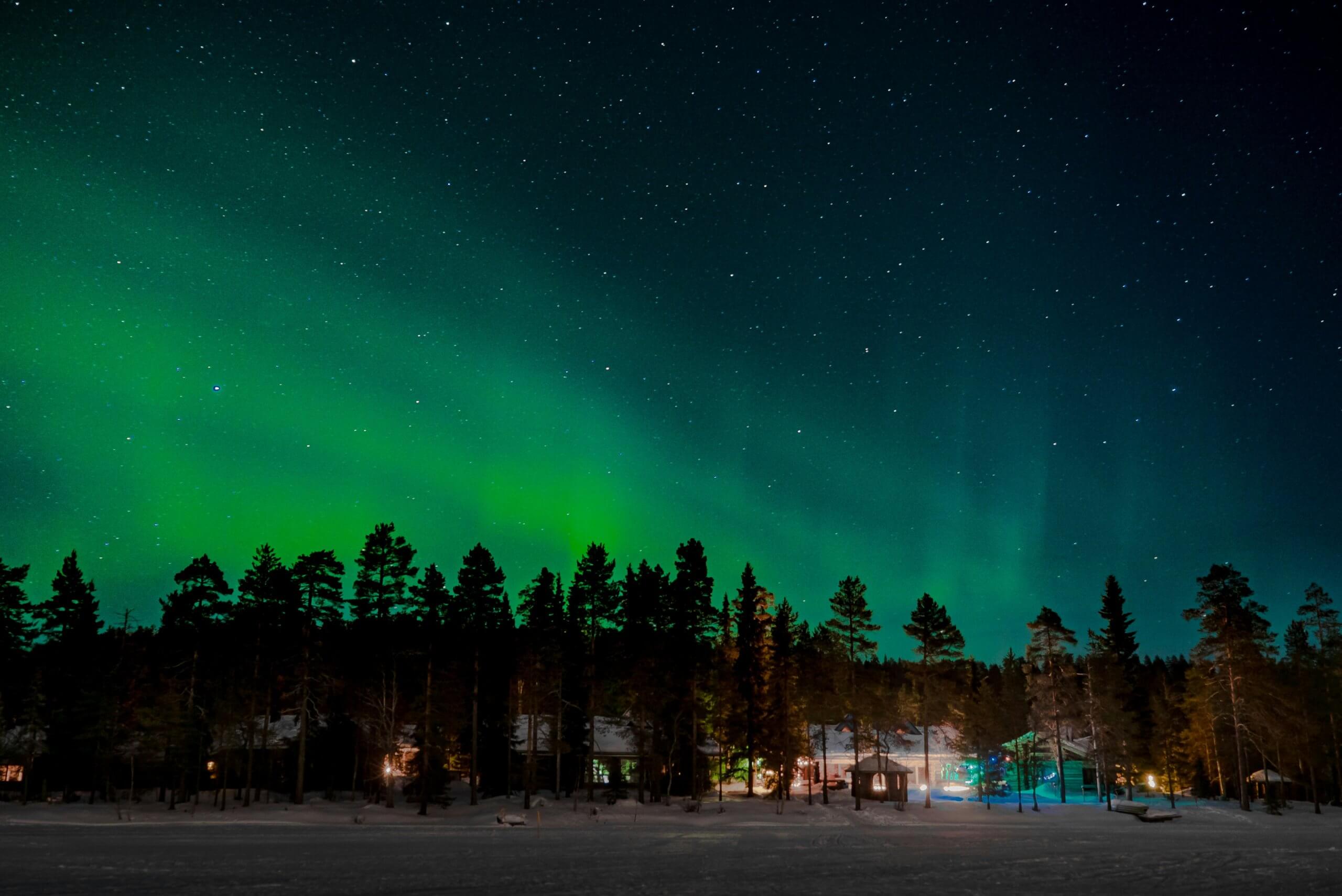
Lapland, Finland
With solar activity still running strong in the current solar cycle, Finnish Lapland remains one of Europe’s bucket-list winter trips—provided you plan beyond the busiest December school-holiday week. Aim for January through March for deep powder snow, longer blue-hour daylight for cross-country skiing and husky sledding, and crisp, clear nights watching green aurora ribbons dance over frozen fells around Rovaniemi, Levi, or Inari.
Booking rule: Glass-roof cabins and wilderness saunas for Q1 and Q4 2027 routinely sell out 8–10 months in advance.
Find your 2027 trip match in 10 seconds
Not sure which of the twelve belongs at the top of your list? Pick the travel vibe that sounds most like you right now.
Your pocket local guide
Pick the place. We’ll help you figure out what to see when you get there.
The best trips aren’t always the ones everyone is already talking about—and half the magic of visiting an underrated city is knowing the stories behind the streets you are walking down.
FAQ
When is the 2027 total solar eclipse in Spain, and which cities are in the path of totality?
The total solar eclipse takes place on Monday, 2 August 2027. In southern Spain, Cádiz, Marbella, and Málaga all lie inside the path of totality, experiencing midday twilight around late morning / early afternoon local time.
Which cities are European Capitals of Culture in 2027?
Liepāja in Latvia (alongside Évora in Portugal) holds the title of European Capital of Culture for 2027, bringing a year-long calendar of music, coastal art installations, and cultural festivals.
What are the best underrated European cities to visit in 2027 instead of Rome, Paris, or Zurich?
Perugia (Umbria) and León (Spain) offer rich historic architecture and regional gastronomy without capital-city crowds, while Basel (Switzerland) and Bratislava (Slovakia) provide walkable cultural alternatives right along major rail corridors.
How early should I book 2027 trips for the solar eclipse or Finnish Lapland?
For the 2 August 2027 eclipse in coastal Andalusia and peak Northern Lights season in Finnish Lapland (January–March or November–December 2027), booking refundable accommodation 8 to 11 months ahead gives you the best choice of locations before prices spike.
Can Wingman guide me in smaller 2027 destinations like Liepāja, Šibenik, or Reims?
Yes. Alongside curated local-guide walks in cities like Basel, Bratislava, Copenhagen, and Malmö, Wingman’s on-demand AI route generator creates an offline-ready audio walking tour for any town or neighbourhood you type in.